
The question “why don’t my running boards fit” usually shows up at the exact moment the hardware is on the floor and the vehicle is on stands. The expectation is simple: bolt holes line up, brackets sit flat, the step looks symmetrical. Real installations are messier. Fitment is a chain of small assumptions, and one wrong assumption can make everything look “off” even when nothing is truly defective.
Most running boards questions are not about the board itself. They are about the interface: where the vehicle provides mounting points, how a bracket indexes to those points, and how much tolerance the system has before alignment stops being negotiable.
Context In 20 Seconds
- “Running boards” are vehicle-mounted steps that attach to factory holes, studs, or pinch welds along the rocker area.
- People typically encounter the fit issue during a test-hang: one side starts, the other side binds, or the last bolt will not thread.
- Safe assumptions: vehicles have side-to-side variation; fasteners cross-thread easily; brackets often have limited adjustment.
- Misleading assumptions: “same cab” always means same mounting pattern; every hole is meant to be used; paint and undercoating are never part of the problem.
What “Fit” Means In Running Board Mounting
Fit is not only “does it bolt on.” It is also whether the assembly sits in the intended plane relative to the rocker panel and door swing, whether each bracket lands squarely on its mounting surface, and whether the step position matches the door openings without forcing anything. A setup can technically fasten yet still be misaligned enough to rub, look skewed, or place load into the wrong points.
There is also a difference between dimensional fit (hole spacing, bracket reach, clearance to body lines) and thread fit (bolt pitch, nutsert condition, stud length). Many “why don’t my running boards fit” complaints are thread-fit problems disguised as dimensional ones because a bolt that will not start makes the bracket feel like it is in the wrong place.
Why Don’t My Running Boards Fit Even When The Listing Matches
Vehicle platforms often share names across multiple sub-variants, but the underside can change quietly: model-year transitions, mid-year refreshes, trim packages, and factory options that add shielding or alternate rocker protection. Even within the same nominal configuration, manufacturing tolerances and prior repairs can move the practical mounting geometry by a few millimeters—enough to matter when bracket slots are short.
Common sources of mismatch tend to fall into a few buckets:
- Cab and wheelbase interpretation: “crew,” “double,” and “extended” are not interchangeable labels across all manufacturers, and the mounting point count can differ even when the doors look similar.
- Mounting-point type: some vehicles use studs, others threaded holes, others nutserts; mixing the expected hardware can stop installation early.
- Underbody interference: splash shields, wiring retainers, brake lines, and seam sealant can prevent a bracket from sitting flush, creating the illusion of wrong hole spacing.
- Sequence and load: tightening one bracket fully before the rest are started removes the small tolerance needed to align the remaining fasteners.
Why Don’t My Running Boards Fit: The Hidden Variables That Change Everything
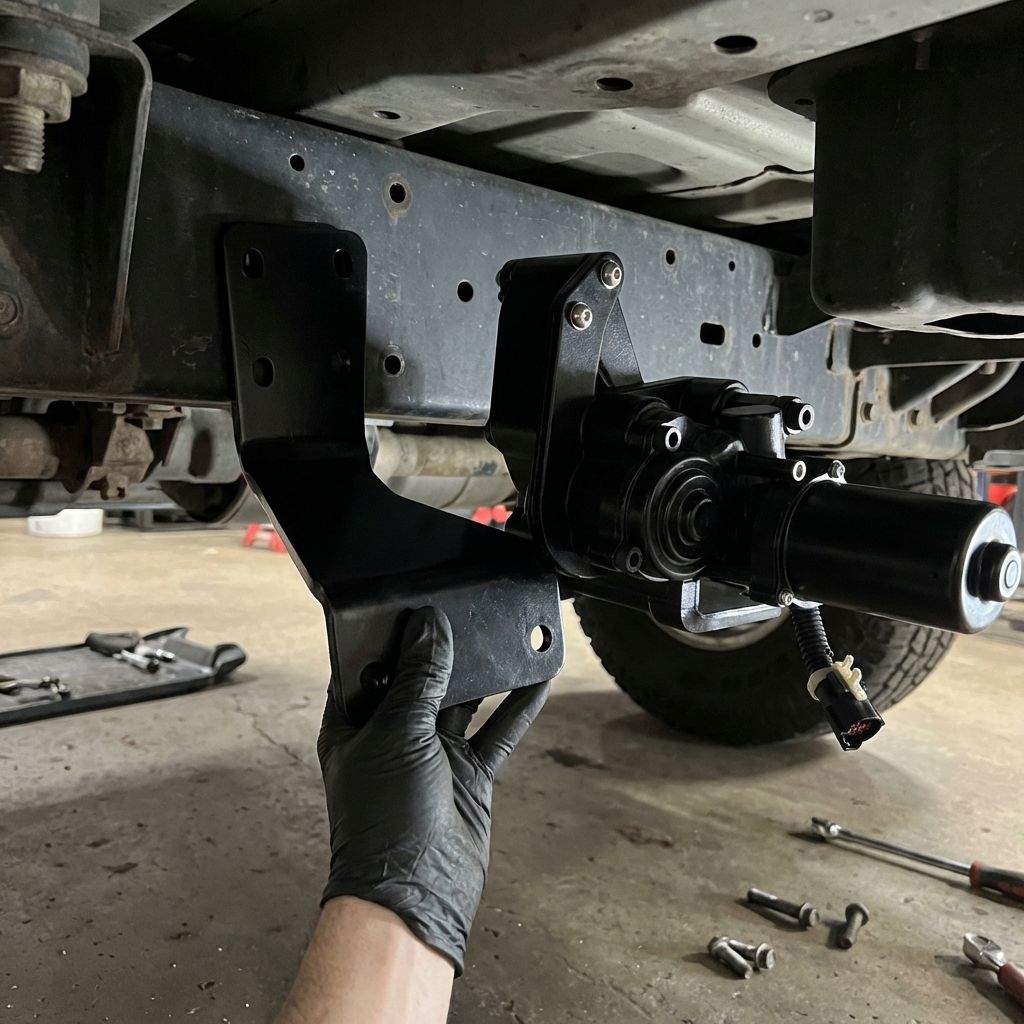
When the question is why don’t my running boards fit, the most common trap is assuming the vehicle name alone determines compatibility. In practice, fitment lives in the gaps between trim level, cab configuration, wheelbase, and how the mounting points were implemented in that production run. Two trucks that look identical from the curb can have different hole locations, different thread pitches, or different bracket landing zones because the underlying frame and rocker structure were specified differently.
This is also why the phrase “bolt-on” creates confusion. Bolt-on usually means no drilling is intended, not that every factory hole will line up without tolerance stacking. A small shift in a welded nut plate, a slightly tweaked body mount, or prior repair work can move the reference points enough that brackets appear “off” even when the part is nominally correct.
Running Boards Questions That Usually Point To Fitment Mismatch
Many running boards questions repeat the same themes, but the underlying causes differ. The symptom matters because it narrows what is actually misaligned.
- Hole Pattern Off By A Consistent Distance: often suggests the board was designed for a different cab length or model year range than assumed, even if the marketing description sounded close.
- Front Lines Up, Rear Does Not: frequently tied to wheelbase differences or a bracket set intended for another cab style.
- Bolts Start But Bind: can indicate mismatched thread pitch, paint or corrosion in captive nuts, or a bracket that is pulling at an angle due to spacer stack differences.
- Contact With Rocker Or Pinch Weld: can reflect an incompatibility between bracket geometry and the vehicle’s rocker profile, or an installation order that pre-loads the system before alignment is established.
Why Don’t My Running Boards Fit Jeep Wrangler Specifically
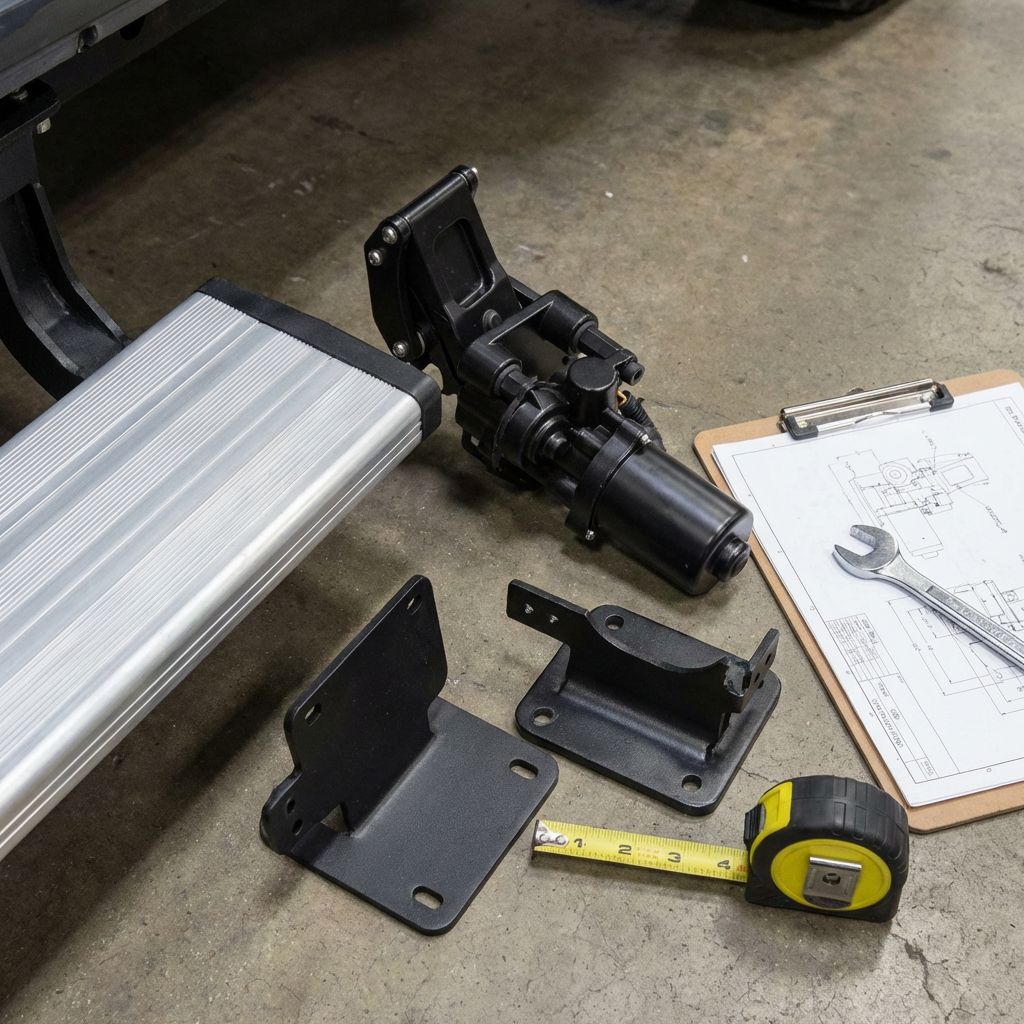
“Why don’t my running boards fit Jeep Wrangler” comes up frequently because Wrangler naming spans multiple generations and body styles, and the aftermarket often groups them too broadly. Two vehicles can both be called “Wrangler” yet have different rocker geometry, different mounting strategies, and different clearance needs around body mounts and skid-related hardware.
Wranglers are also more likely to have prior modifications—lift components, rock rails, altered skid plates—that change access and alignment at the rocker area. In that context, “fit” may mean “fits the vehicle as currently configured,” not “fits a factory-stock reference.”
Why Don’t My Running Boards Fit Jeep Wrangler: Same Question, Different Geometry
Why don’t my running boards fit Jeep Wrangler comes up often because the Wrangler ecosystem includes frequent changes in body mounts, rocker protection designs, and trim-driven differences. Some setups expect attachment to body mount locations; others reference pinch seams or factory-installed rails. Mixing those assumptions—especially when a vehicle already has factory rails, aftermarket armor, or prior modifications—creates a “fits on paper, not on the vehicle” scenario.
Another Wrangler-specific nuance: accessory ecosystems sometimes assume a particular door count, wheelbase, or sub-variant. Even within a single generation, that can shift where brackets want to land relative to body mounts.
Installation Sequence And Tolerance Stacking: When Fitment “Changes” Mid-Install
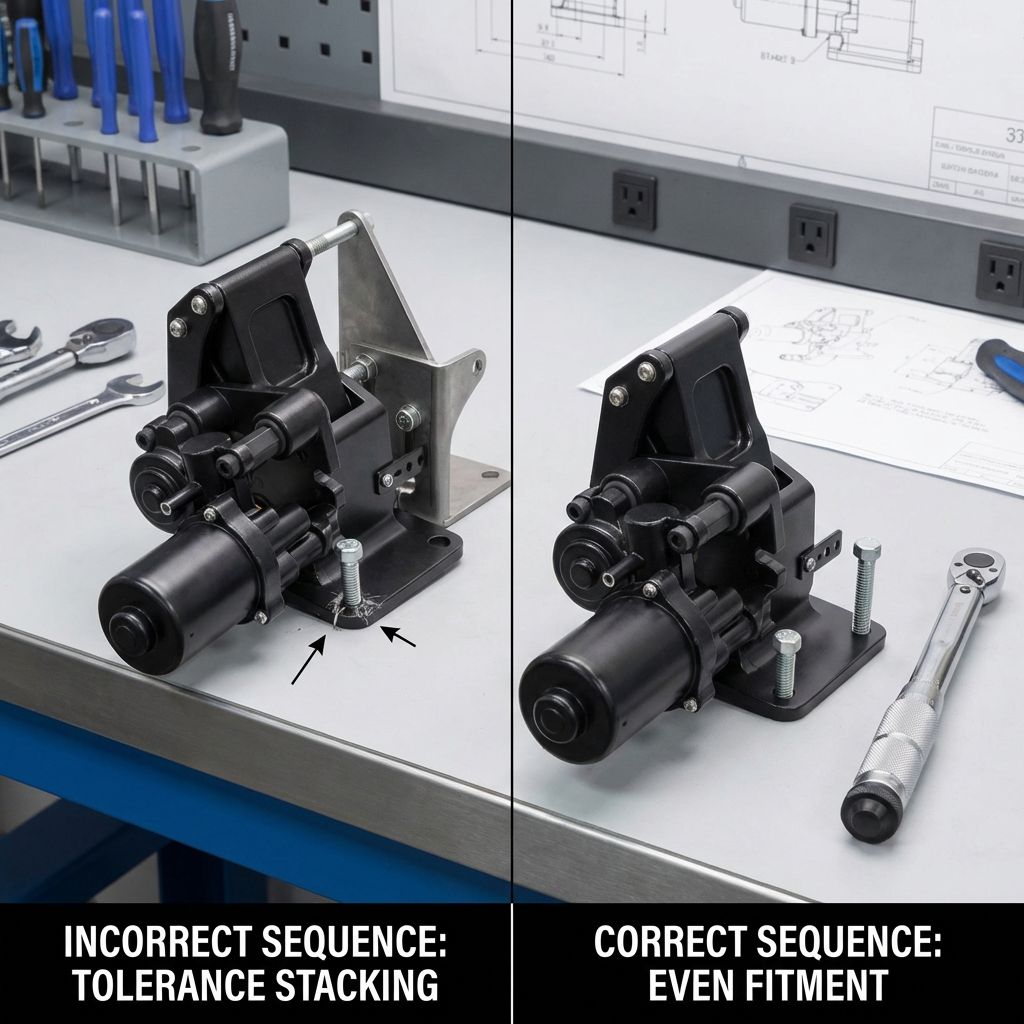
Fitment can look acceptable at first and then drift as bolts are tightened. That is tolerance stacking: each bracket has a small amount of play, and tightening one side early can consume the available adjustment. The result feels like a wrong part, but it can also be a process artifact.
Situations that tend to amplify this effect include uneven shop floors, a vehicle supported by a jack at one corner, or brackets that use multiple spacers. Even small differences in spacer placement can tip the bracket face, making the board sit “proud” at one end and tight at the other.
Structural And Safety Constraints That Limit “Making It Work”
It is tempting to force alignment by enlarging holes or omitting hardware. The problem is that running boards are load-bearing steps; the forces are not subtle. Guidance from vehicle safety and maintenance authorities consistently emphasizes using correct fasteners and secure attachment points rather than improvised substitutions, because attachment integrity is what controls predictable load paths. For general vehicle equipment and safety framing, the National Highway Traffic Safety Administration provides consumer-facing safety context at https://www.nhtsa.gov/.
From a practical standpoint, these are the contexts where improvisation becomes riskier:
- Body-Mount-Referenced Systems: altering hole geometry can change how loads transfer into mounts.
- Corrosion Or Previous Repairs: weakened metal can tear under step loads even if alignment is achieved.
- Mixed Hardware: bolt grade and thread engagement length matter; mismatches can loosen over time.
One example of how compatibility is often stated in listings is a model described as fitting a specific year span and cab configuration, but the real-world outcome still depends on the vehicle’s exact mounting-point layout and condition.
Where Reliable Fitment Information Comes From
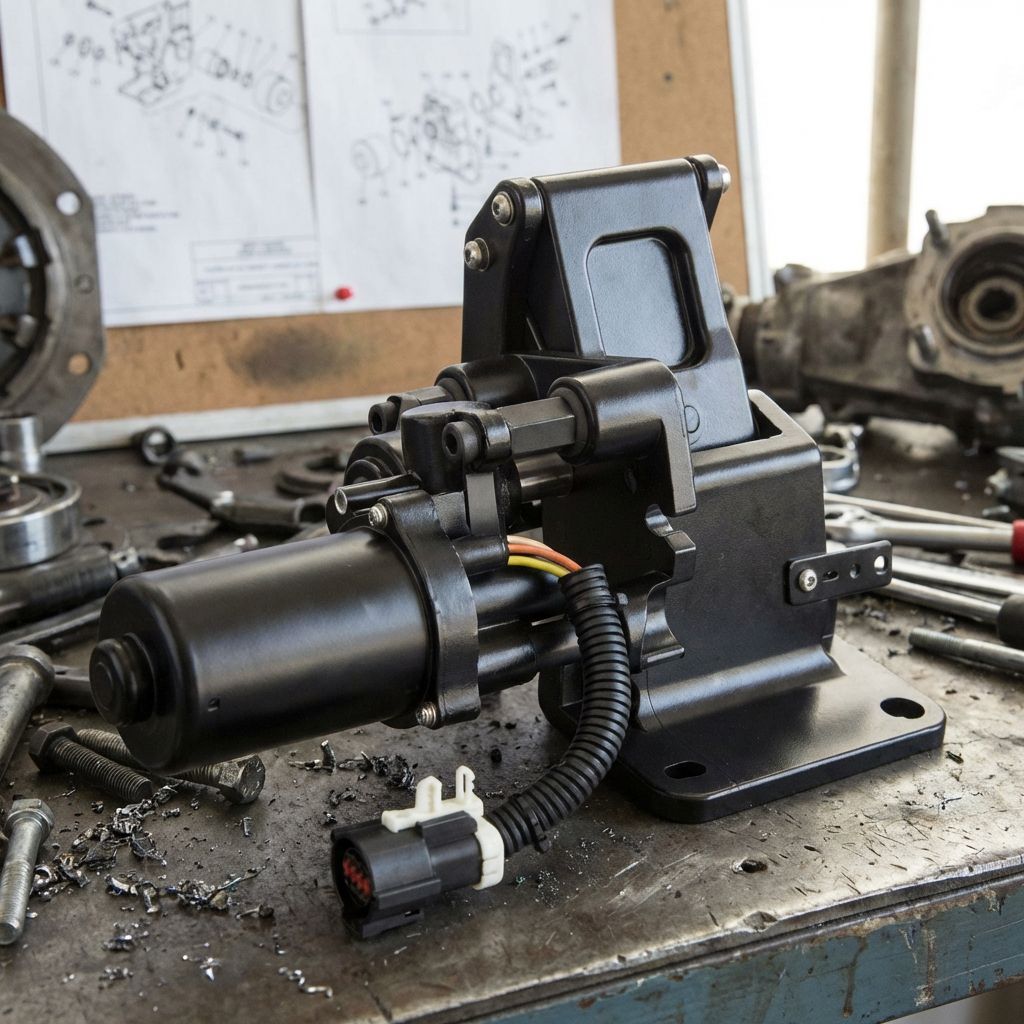
When a fit issue appears, the most reliable baseline is the vehicle manufacturer’s body and chassis documentation that identifies mounting locations and underbody components. For general safety and correct lifting/support while checking alignment, the National Highway Traffic Safety Administration provides consumer-facing guidance and recalls that can affect underbody parts and fasteners (https://www.nhtsa.gov/). For model-specific mounting-point diagrams and service procedures, manufacturer service information is typically the authoritative reference; when that is not accessible, university automotive program materials and technical training resources can help explain threaded inserts, torque behavior, and corrosion effects in a neutral way.
As a single example of how broad “compatibility” claims are usually framed, a listing might state fitment for a range of model years and cab types; that wording describes intent, not a guarantee that every vehicle’s mounting points will be clean, unobstructed, and identical.
When “Why Don’t My Running Boards Fit” Is Really A Measurement And Compatibility Problem
The question “why don’t my running boards fit” often sounds like a single issue, but it usually reflects a chain of small mismatches: the vehicle’s exact configuration, the hardware assumptions, and the tolerance stack-up between multiple mounting points. Even when a vehicle name and year seem correct, trim level, cab style, drivetrain packaging, and factory options can change hole locations, thread types, or usable clearances along the rocker area.
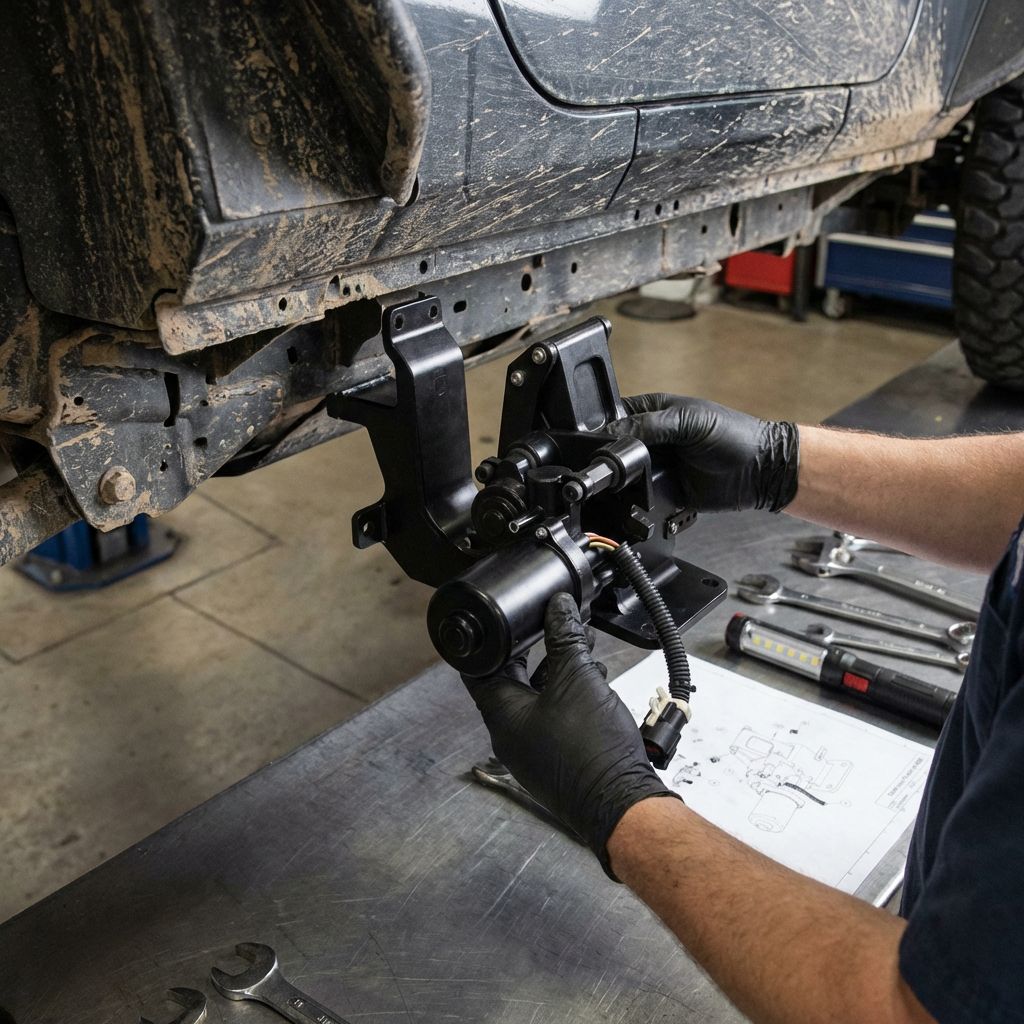
A useful way to think about fitment is that it is not only about “does it bolt on,” but “does it bolt on without forcing alignment.” Forced alignment is where problems start: bolts that begin at an angle, brackets that have to be pulled into place, or parts that only fit if one side is left loose. That pattern points to a compatibility mismatch more than a simple installation mistake.
Failure Patterns That Usually Indicate A Mismatch (Not A Bad Part)
Fitment complaints tend to cluster into a few repeatable patterns. Seeing one of these does not prove a defect; it simply suggests the next checks should focus on compatibility and mounting geometry rather than tightening technique.
- Tolerance runs out early: the first bracket aligns, but later mounting points are consistently short by a similar offset, which often indicates the wrong wheelbase or cab configuration assumption.
- Fasteners feel “wrong” in the threads: bolts bind immediately, suggesting thread pitch or captive nut type differs from what the hardware expects.
- Clearance conflicts appear only at one end: a bracket sits against a line, shield, or body seam in a way that prevents it from seating flat, which can happen with different factory options or aftermarket additions.
- Side-to-side symmetry breaks: one side seems close while the other is far off, which may point to prior underbody repair, uneven corrosion, or a bent mounting flange.
What “Fit” Should Look Like In Real Use (And What It Should Not Require)
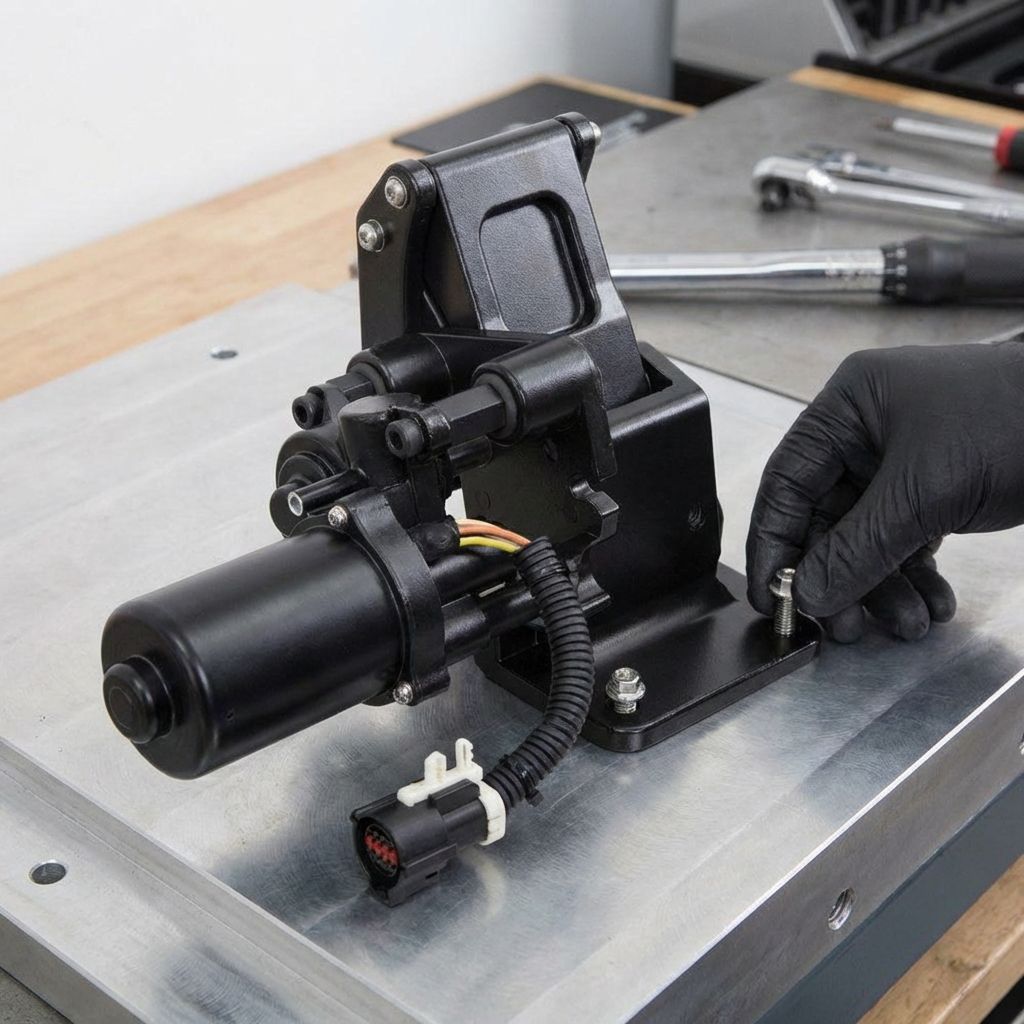
In a clean fit, brackets sit flush, bolts start by hand without cross-threading, and alignment remains stable as each mounting point is brought snug. Minor adjustment within slotted holes can be normal; needing leverage to “make holes meet” is a different category. If the assembly only lines up when a bracket is twisted, or if tightening one point causes another to drift noticeably, the system is likely outside its intended geometry.
Realistic expectations matter here: manufacturing tolerances exist, but they are not meant to compensate for an incorrect application. When the question is “why don’t my running boards fit,” the most decision-relevant insight is that repeated alignment resistance is a signal to pause and re-verify vehicle configuration and mounting-point assumptions, not to escalate force.
Running Boards Questions That Keep Showing Up In Search
Why Do Search Results For “Why Don’t My Running Boards Fit” Contradict Each Other?
Because many answers are vehicle-configuration specific, and people often omit the details that actually drive fitment. A correct explanation for one trim or generation can be misleading for another that looks similar in photos.
What Does It Mean If The Bolts Start, But The Last Hole Is Always Off?
That pattern commonly suggests a geometry mismatch across the full length rather than a single bad mounting point. It can also happen when the first bracket was tightened before all points were loosely aligned, but consistent offset is a red flag for compatibility.
Is “Close Enough” Alignment Acceptable If Everything Tightens Down?
Not always. If tightening requires pulling parts into position, it can preload brackets and concentrate stress, increasing the chance of loosening over time or noise from shifting under load.
Why Would One Side Fit Better Than The Other On The Same Vehicle?
Small asymmetries can come from prior repairs, uneven corrosion, or slight deformation at mounting flanges. When the difference is large, it often indicates that one side’s reference points are not the same as assumed by the hardware layout.
How Can A Lift Or Aftermarket Underbody Parts Affect Fitment Even If Mounting Holes Exist?
Changes in ride height and added components can alter clearances and the path a bracket needs to sit flat. Even when holes line up, interference can prevent proper seating, which then shows up as “it fits, but not cleanly.”