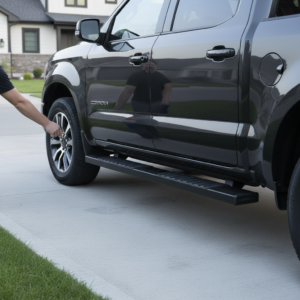
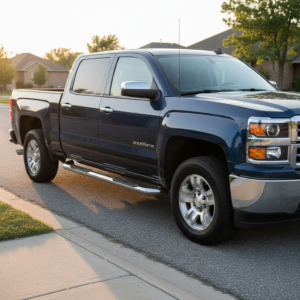
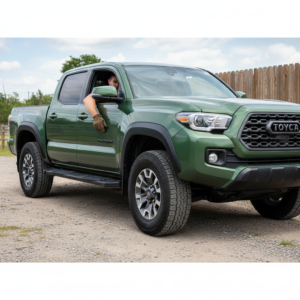
Overview of Tyger Auto 3.5″ Rider Running Boards for Ram 1500 Crew Cab (2019-2026)
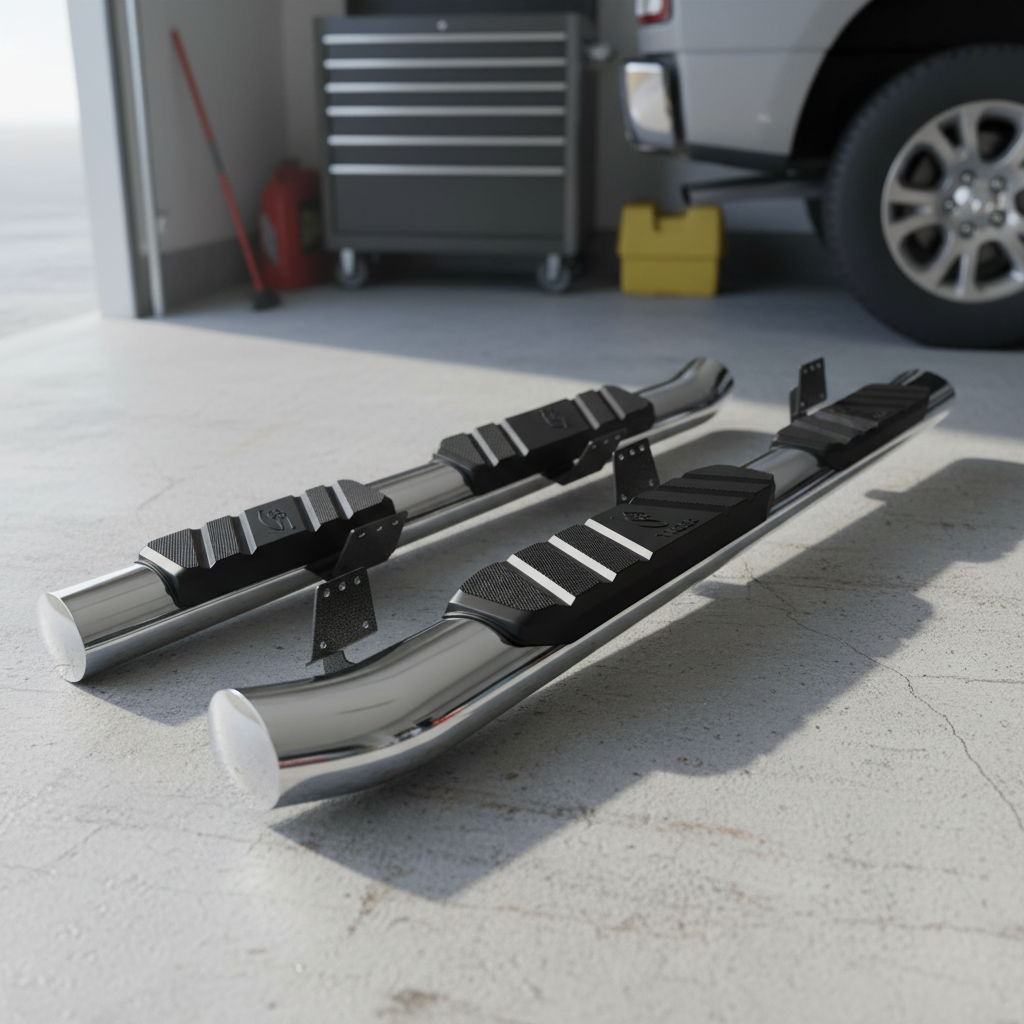
Tyger Auto 3.5″ Rider Running Boards for Ram 1500 Crew Cab (2019-2026) are side steps built to give a stable, lower entry point on a 2019–2026 Ram 1500 Crew Cab. They’re designed around a 3.5-inch step profile and a stainless-steel running-board style that’s common on daily-driven trucks. The fit note matters: they’re not intended for the 2019–2024 Ram 1500 Classic body style.
Key characteristics of Tyger Auto 3.5″ Rider Running Boards for Ram 1500 Crew Cab (2019-2026)
- 3.5-inch step profile supports steadier entry and exit
- Designed for 2019–2026 Ram 1500 Crew Cab fitment
- Not compatible with 2019–2024 Ram 1500 Classic
- Stainless-steel side step rail construction for exterior exposure
- Model identification aligns with TG-SS2D35097 running boards
Overview of Tyger Auto 3.5″ Rider Running Boards for Ram 1500 Crew Cab (2019-2026)
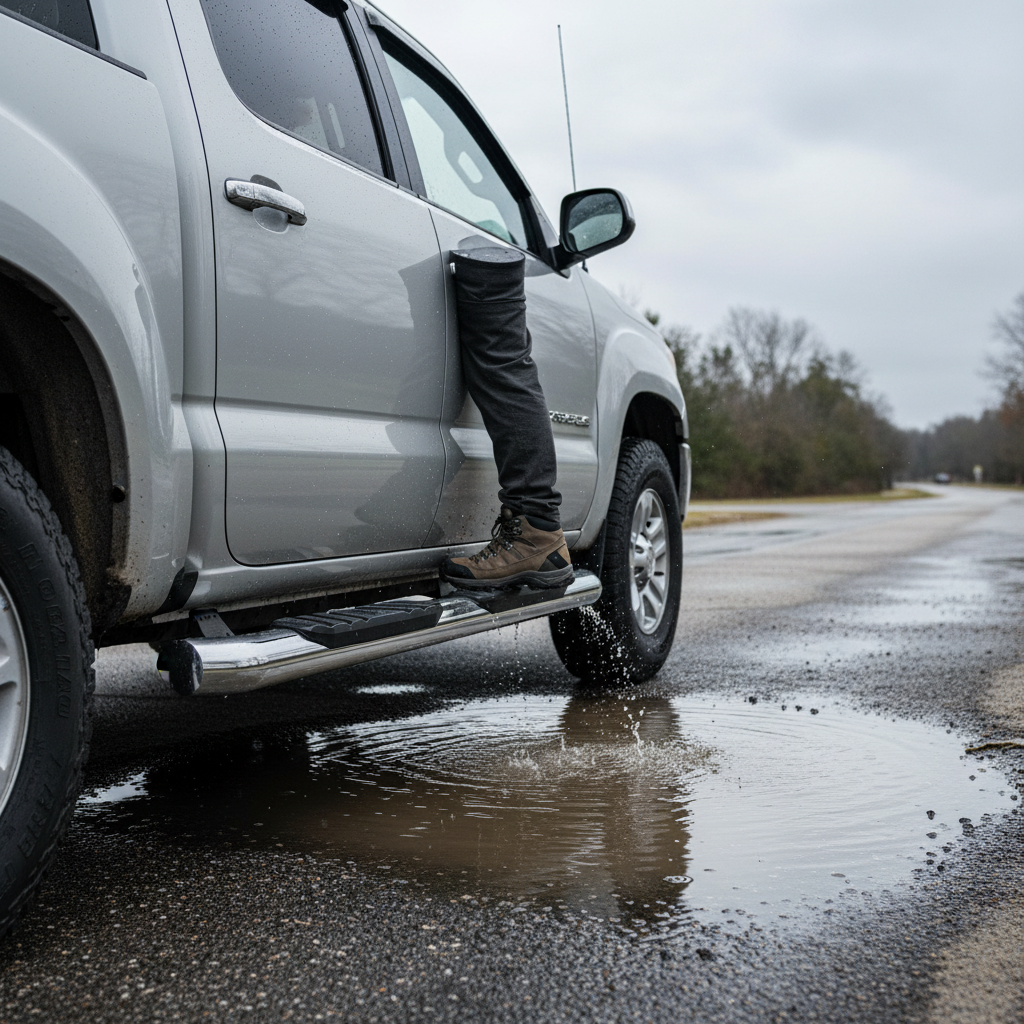
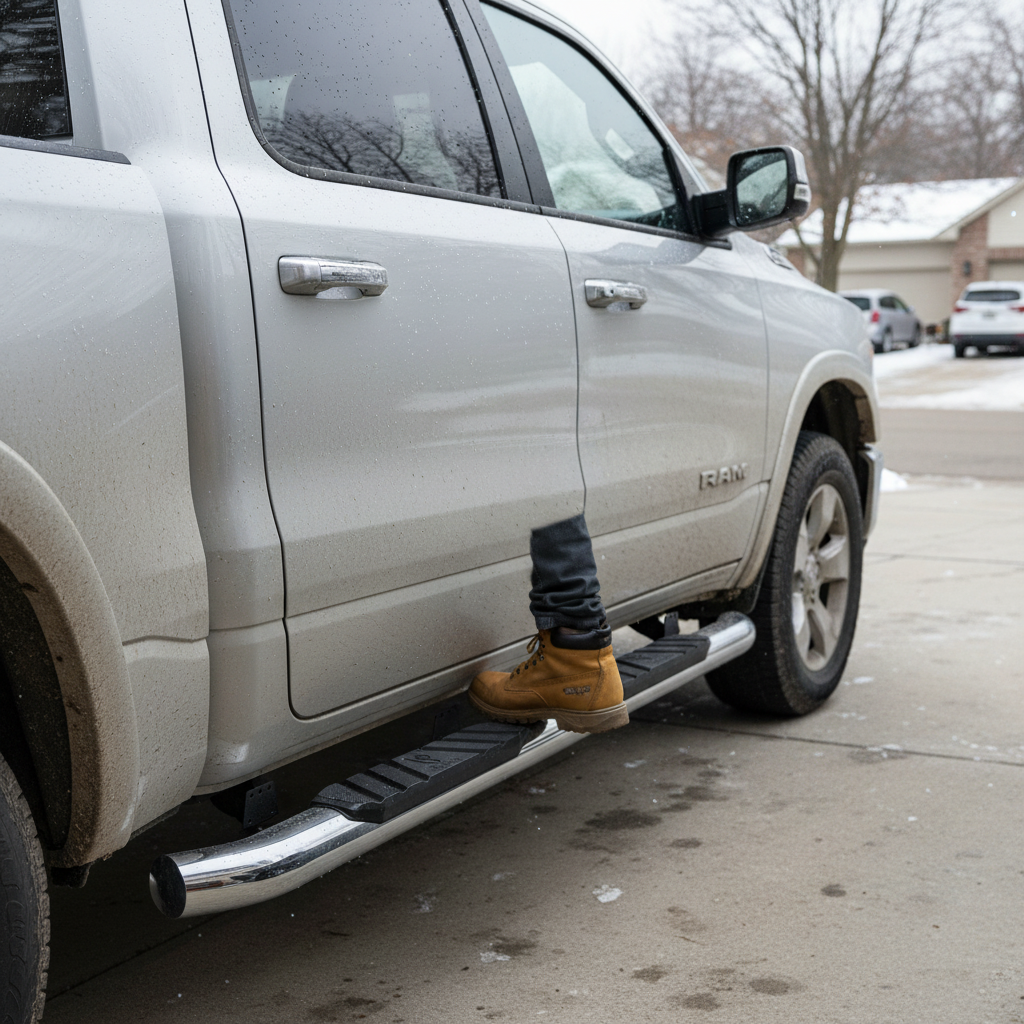
These Tyger Auto running boards add a practical step surface along the rocker area of a Crew Cab truck. That changes daily use more than most owners expect. Getting in becomes a two-step motion instead of a climb, and the same applies when stepping down with work boots or wet shoes.
Fitment is the first checkpoint. The product is intended for the Ram 1500 Crew Cab model years 2019 through 2026, and the listing calls out “Not Fit 19–24 Classic.” That’s a body-style distinction, not a trim detail. Crew Cab length and mounting points differ from Quad Cab layouts, so confirming the cab configuration before ordering is part of a clean install plan.
It’s also identified as TG-SS2D35097 running boards. That matters for parts matching and for cross-checking instructions or replacement hardware later.
Benefits of Tyger Auto running boards
The most direct benefit of a side step is easier entry. A 3.5 inch side steps for 2019-2026 Ram 1500 setup reduces the height difference between the ground and the cab floor, which helps shorter drivers, kids, and anyone stepping in repeatedly during the day.
There’s a second benefit that shows up in real use: more controlled footing. A dedicated step surface gives a predictable place to plant a foot when the ground is uneven or when the door opening is tight in a garage. That can reduce awkward twisting on exit.
Running boards also act as a light barrier for lower-body splash. They won’t stop road spray entirely, but they can intercept some debris that would otherwise hit the lower door area. For a truck used in rain or on gravel, that’s a noticeable change in how often the lower paintwork needs attention.
For owners looking for stainless steel nerf bars Ram 1500 crew cab style, stainless construction is often chosen for corrosion resistance in wet climates. Salt exposure still requires maintenance. But stainless generally holds up better than basic painted mild steel when chips and scratches happen.
Ingredients and formulation of Tyger Auto running boards
Running boards don’t have a “formulation” in the skincare sense, but they do have a material and build logic that affects durability. This set is described as stainless steel side step rail nerf bars, so the core expectation is metal that tolerates water, road grime, and temperature swings without fast surface breakdown.
Stainless steel is selected in this category for its protective oxide layer. It slows rust compared with untreated steel, especially around seams and mounting areas where moisture can sit. That doesn’t make it maintenance-free. Regular washing helps, and checking mounting points after winter driving is smart practice.
The “3.5" Rider” shape points to a step surface sized to feel substantial underfoot without protruding excessively. On a Crew Cab truck, that balance matters. Too narrow feels sketchy, and too wide can catch pant legs or reduce ground clearance in rutted driveways.
If the goal is Ram 1500 crew cab side step rails that stay presentable, surface care is part of the plan. Avoid harsh abrasive pads that can leave visible scratches on stainless finishes. Mild soap and water usually does the job.
How to use this running boards
Use starts with correct fit confirmation. These Tyger Auto running boards for Ram 1500 crew cab are intended for 2019–2026 Ram 1500 Crew Cab trucks and exclude the 2019–2024 Classic. Cab style comes first. Model year alone isn’t enough.
For daily use, step with the center of the foot over the board rather than the edge. That keeps weight more stable and reduces slip risk in wet conditions. Simple habit. It works.
After installation, re-check fasteners after the first week of driving. Vibration and thermal cycling can settle hardware. A quick inspection also helps catch any alignment shift before it becomes a squeak or a loose feel underfoot.
Cleaning is straightforward. Rinse off grit, then wash with a pH-neutral car shampoo. If the truck sees salted roads, rinse the underside too. That’s where corrosion starts.
Technical specifications of Tyger Auto 3.5″ Rider Running Boards for Ram 1500 Crew Cab (2019-2026)
| Feature |
Details |
| Brand |
Tyger Auto |
| Product format |
Running boards |
| Step size reference |
3.5-inch Rider profile |
| Vehicle fitment |
Ram 1500 Crew Cab (2019–2026) |
| Exclusion note |
Not fit 2019–2024 Ram 1500 Classic |
| Model / series reference |
TG-SS2D35097 |
| Material |
Stainless steel |
Frequently asked questions about Tyger Auto 3.5" Rider Running Boards for Ram 1500 Crew Cab (2019-2026)
How do you install Tyger Auto 3.5" Rider Running Boards for Ram 1500 Crew Cab (2019-2026) correctly?
These running boards are designed to mount to the factory attachment points on a Ram 1500 Crew Cab (2019–2026). Before starting, confirm the truck is not a “Classic” within the 2019–2024 years, because that body style isn’t part of this fitment. Test-fit the brackets, align the mounting plates, and tighten the bolts gradually, alternating sides to avoid binding. At the end, check for clearance, level alignment, and the manufacturer’s recommended torque. A follow-up check after a few miles helps.
Are the 3.5 inch side steps for 2019-2026 Ram 1500 compatible with the Ram 1500 Classic?
No. This set is listed as compatible with the Ram 1500 Crew Cab from 2019 to 2026, and it also states “Not Fit 19-24 Classic.” The Ram 1500 Classic uses a different platform and often has different mounting locations and running board lengths. Before buying or installing, verify the exact vehicle designation in your paperwork (Ram 1500 vs Ram 1500 Classic) and confirm it’s a Crew Cab. That check helps avoid alignment issues and mismatched holes.
What maintenance do stainless steel nerf bars for a Ram 1500 Crew Cab need in daily use?
In normal use, maintenance is simple. Wash the bars with water and a neutral car shampoo when you clean the truck, focusing on the underside where salt, mud, and gravel collect. Dry them to reduce water spots and check that the step surface keeps good traction. In areas with salted roads, more frequent cleaning helps reduce surface corrosion on fasteners and brackets. It also helps to re-check hardware tightness from time to time, especially after the first month of use.
What step width do Tyger Auto running boards offer, and how does it feel when stepping up?
The design is a 3.5-inch platform width (about 8.9 cm). In practice, that width tends to feel like a direct, “just right” foothold: enough space to place your foot with stability when getting in and out, without sticking out too far from the side of the vehicle. For people wearing wider boots, it helps to place the forefoot on the board and use the door grab handle to distribute weight. It’s also worth checking the final height after installation, since positioning depends on the brackets and the Crew Cab mounting points.
What’s the difference between TG-SS2D35097 running boards and other Tyger Auto codes?
TG-SS2D35097 identifies a specific running board kit aimed at the Ram 1500 Crew Cab and a 3.5-inch “Rider” style. That code helps avoid mix-ups with kits for Quad Cab, Mega Cab, or other model years and platforms. When comparing, three details need to match: the exact model (Ram 1500), the cab style (Crew Cab), and the 2019–2026 range with an explicit 2019–2024 Classic exclusion. If any of those don’t match, bracket fit and board length can be off.
Can Ram 1500 Crew Cab side step rails interfere with door opening or the jack points?
When aligned correctly, these side step rails shouldn’t block normal door opening because they mount below the body line. Still, during installation it’s smart to open and close all doors to confirm there’s no contact with trim. For jack points, some lift locations can look more “crowded” because of the board and brackets. The practical approach is to identify the lift points in the vehicle owner’s manual before installation, then confirm afterward that they’re still accessible.
How should you check these running boards after installation to prevent noise or looseness?
After installation, a quick check prevents most noise issues. Confirm all bolts and nuts are tightened evenly and that the brackets sit without twist. Push the running board up and down by hand to check for play; it shouldn’t move. Then do a short road test over mild bumps and listen for tapping near the mounting points. If noise shows up, it’s often a bolt that isn’t fully torqued or a bracket that’s slightly off-center. Re-tightening and re-aligning usually fixes it.
User experience with Tyger Auto 3.5" Rider Running Boards for Ram 1500 Crew Cab (2019-2026)
Across owner feedback and recurring install notes, Tyger Auto 3.5" Rider Running Boards for Ram 1500 Crew Cab (2019-2026) are usually described as a practical, confidence-building step solution for daily driving. The most repeated theme is stability: once mounted, the boards feel solid underfoot and make cab entry noticeably easier on a lifted or stock-height Ram 1500 Crew Cab. Fitment for the 2019–2026 model range comes up often, with many users appreciating that the mounting points line up without improvisation when the correct cab configuration is selected.
Tyger Auto running boards also get consistent mention for their day-to-day utility rather than looks alone. People focus on how the step surface behaves in real conditions, like wet shoes, light mud, or winter grime, and whether the boards stay rigid after weeks of use. Feedback trends positive. Still, recurring discussions also point out a few setup and usage nuances that depend on driveway tools, climate, and how the truck is used.
Main strengths reported for Tyger Auto 3.5" Rider Running Boards for Ram 1500 Crew Cab (2019-2026)
- Fitment confidence for Ram 1500 Crew Cab (2019–2026): mounting points typically align as expected during installation.
- Stable step feel: users often describe a firm, low-flex platform when stepping in and out.
- Everyday access improvement: reduced effort for kids, shorter passengers, and frequent in-and-out workdays.
Perceived strengths
- Step width and placement: the 3.5 inch style is often seen as a good balance between usable footing and not sticking out excessively from the rocker area.
- Traction in messy weather: the textured stepping area tends to be viewed as helpful with rain and slush. It’s a common point in winter-state discussions.
- Clean, integrated look: many owners like how the boards visually follow the cab line on a Crew Cab, especially on newer body styles.
Usage nuances to consider
- Install time varies with tools and rust: in salt-belt areas, older hardware and underbody corrosion can slow the job. Penetrating oil and a torque wrench are frequently mentioned as helpful.
- Ground clearance and off-road contact: owners who drive rutted trails or deep snow note that any side step can become a contact point. Careful line choice matters more with regular off-pavement use.
Who tends to benefit most from Tyger Auto 3.5" Rider Running Boards for Ram 1500 Crew Cab (2019-2026)?
These running boards tend to suit Ram 1500 Crew Cab owners who prioritize daily convenience and predictable footing. Families and work-truck drivers mention the benefit most, since passengers climb in and out many times per day. They also fit well for anyone adding mild lift or larger tyres, where the step-down height becomes more noticeable. Drivers who keep their truck mainly on-road usually report the fewest trade-offs.
For heavier off-road use, feedback suggests setting expectations: side steps help access, but they can reduce effective clearance at the edges. In those cases, owners often treat the boards as a comfort feature first, and accept occasional cleaning and the possibility of trail contact depending on terrain.
Recurring sentiment: solid footing, clean fit on the Crew Cab, and a noticeable day-to-day access upgrade.