Overview of Tyger Auto 3.5" Rider Running Boards for Chevy Silverado/GMC Sierra Crew Cab (2019-2026)
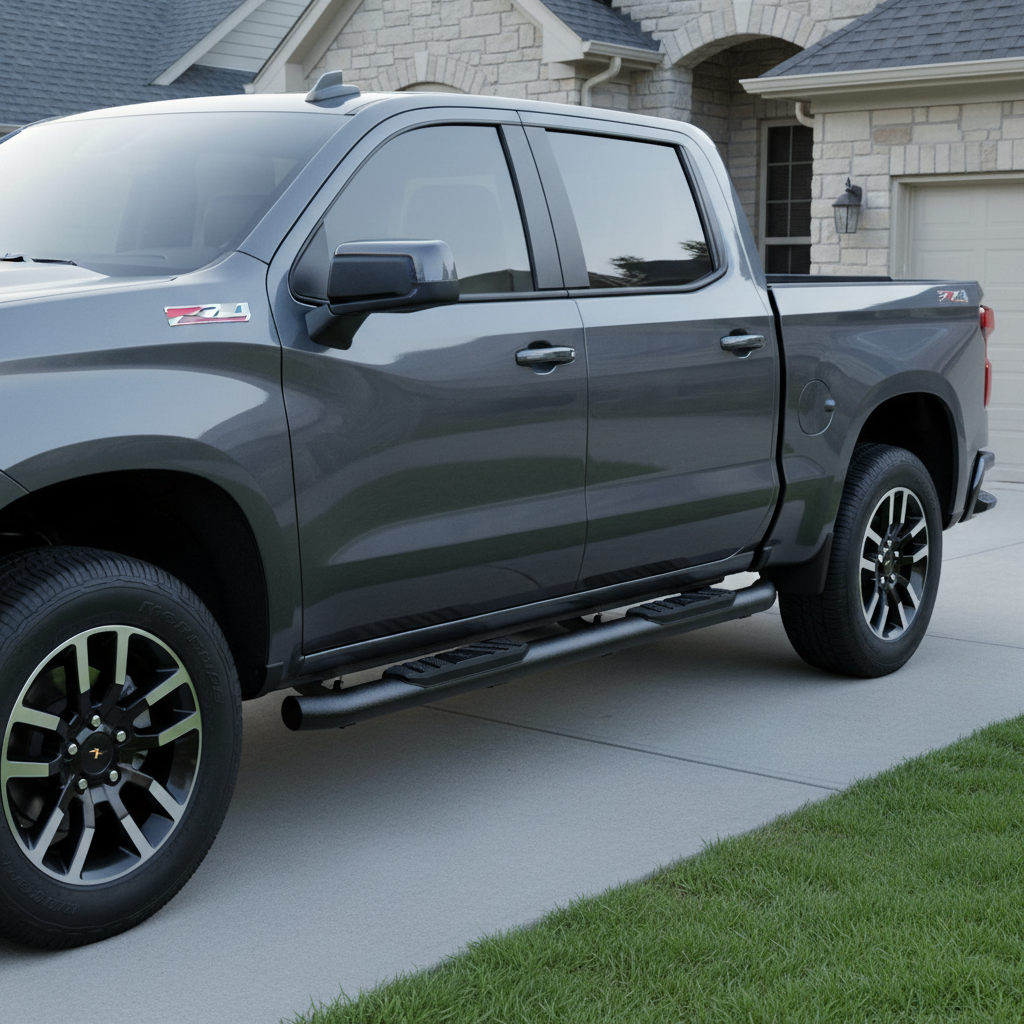
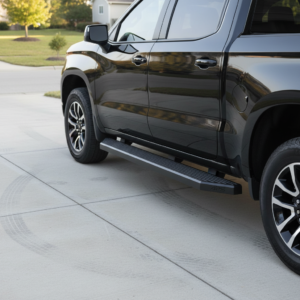
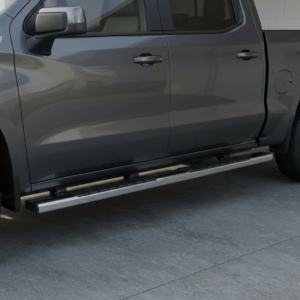
Tyger Auto 3.5" Rider Running Boards for Chevy Silverado/GMC Sierra Crew Cab (2019-2026) are a set of running boards designed to add a stable step along the cab for easier entry and exit, especially on lifted or stock-height trucks. It targets Crew Cab fitment across the stated model years and is commonly identified by part reference B07ZZHWFN5 in listings.
These Tyger Auto 3.5 inch running boards sit below the doors and provide a consistent stepping surface at each entry point. That matters on a Silverado or Sierra Crew Cab where passengers often use the seat bolster or door sill as an improvised step. A fixed board gives the foot a predictable place to land. It also helps keep pant legs from brushing rocker panels on the way in.
Fitment is the first filter. This set is intended for Chevy Silverado and GMC Sierra Crew Cab trucks within the stated 2019–2026 range, with the product listing also calling out Silverado/Sierra 1500 and 2500/3500HD coverage for specific years. Keep the “Crew Cab” requirement front and center. Double Cab and Regular Cab typically use different lengths and mounting points.
Expect the look and function to be straightforward. These are running boards, not retractable power steps. There’s no motor to service. Simplicity is the point.
Key characteristics of Tyger Auto 3.5" Rider Running Boards for Chevy Silverado/GMC Sierra Crew Cab (2019-2026)
- 3.5-inch step width supports everyday entry and exit
- Designed for Crew Cab fitment across listed model years
- Running-board format helps reduce cab step-up height
- Often referenced as TG-SS2C35068 running boards in catalogs
Benefits of Tyger Auto running boards
Tyger Auto running boards mainly solve day-to-day access. A 3.5-inch-wide step gives more margin than a narrow nerf bar when shoes are wet, muddy, or covered in road grit. That extra width also helps shorter passengers. Kids can place a whole foot on the step instead of balancing on an edge.
For drivers who use the truck for work, repeated entry adds up. A stable side step reduces the “hop” into the cab and can make getting in with a tool bag feel less awkward. It also helps when stepping down, where slipping risk is higher because weight transfers forward.
There’s also a practical protection angle. Side steps take some of the abuse from kicked-up stones and light brush contact near the rocker area. They won’t replace proper rock sliders for off-road impacts, but they can reduce minor scuffs that happen in parking lots or on gravel roads.
For SEO and catalog matching, these are often described as side step nerf bars for Silverado Sierra. The functional benefit stays the same: consistent footing along the side of the cab.
Materials and build design of Tyger Auto running boards
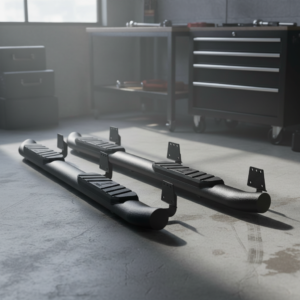
This product category lives or dies by mounting and surface design. Tyger Auto Rider running boards rely on a rigid board structure plus vehicle-specific brackets to keep the step from flexing under load. Bracket alignment matters because it controls door clearance and keeps the board from sitting too close to the rocker panel.
Step feel comes from two things: width and tread. The listing highlights a 3.5-inch stepping surface, which is a usable middle ground for daily driving. Wider “drop steps” can be easier for very tall trucks, but they also hang lower. A 3.5-inch board tends to keep a cleaner side profile while still offering a real foothold.
Surface traction is the other half. Running boards typically use a textured step area or patterned pads to shed water and give shoe soles something to bite into. That texture is what prevents the “smooth tube” slip that some older nerf bars can develop as they wear or get coated with road film.
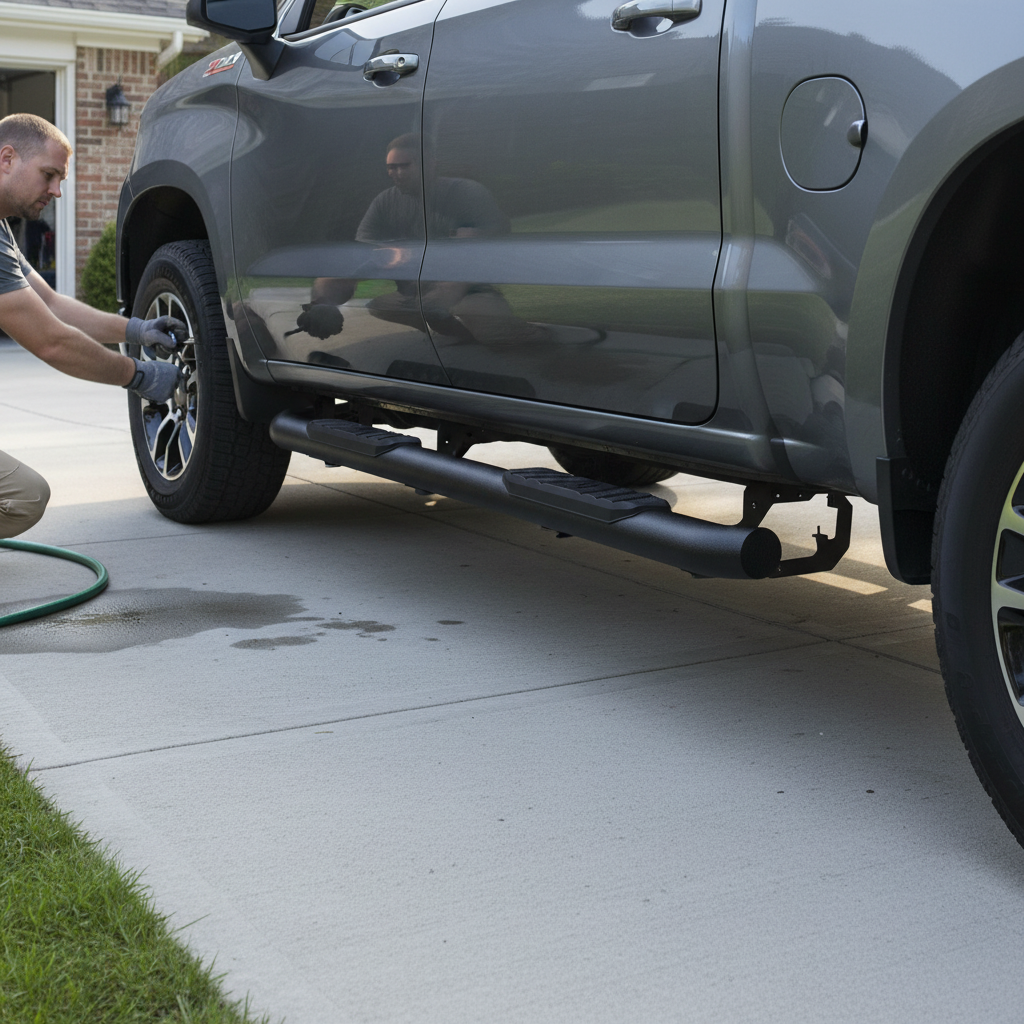
Maintenance is simple. Rinse off winter salt and packed mud, then check bracket bolts periodically. A quick re-torque after the first week of driving is a common best practice for any side step installation.
How to use these running boards
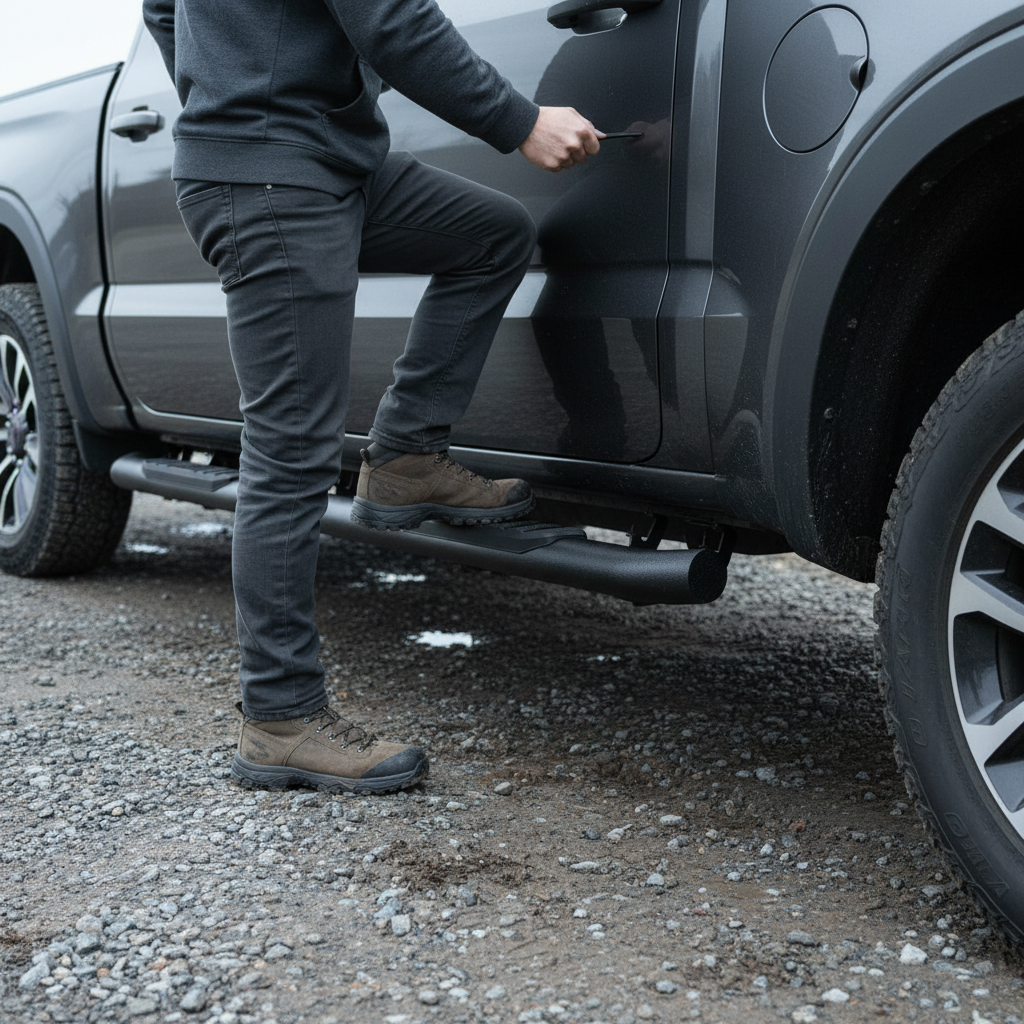
Use is simple, but technique still matters for stability. Step with the ball of the foot near the center of the board, then shift weight into the cab. That keeps the ankle from rolling off the edge and avoids scraping the shin on the outer lip.
For rear passengers, approach the step squarely instead of at an angle. Crew Cab doors open wide, and the easiest path is usually straight up and in. If the truck sits high, use the grab handle (if equipped) while stepping down. It reduces knee load.
In winter or after off-road driving, give the step surface a quick check before committing weight. Packed snow can behave like ice. A fast brush-off is often enough.
When washing the truck, aim water under the board too. It helps flush out dirt around brackets and mounting points. That’s where corrosion starts on most side steps.
Technical specifications of Tyger Auto 3.5" Rider Running Boards for Chevy Silverado/GMC Sierra Crew Cab (2019-2026)
| Feature |
Details |
| Brand |
Tyger Auto |
| Product format |
Running boards |
| Vehicle fitment (as titled) |
Chevy Silverado / GMC Sierra Crew Cab (2019–2026) |
| Step width (as named) |
3.5 inches |
For parts matching, the same set may also appear as TG-SS2C35068 running boards in fitment guides. Use the Crew Cab designation and model years as the primary check. Then confirm your trim and cab configuration before installation.
If the truck has factory mud flaps, mud flap clearance is worth verifying during test-fit. Small adjustments at the bracket stage can prevent rubbing later. That’s also the moment to confirm the board sits level along the cab.
Finally, keep expectations aligned with the category. These running boards are meant for daily access and light side protection. They’re not designed to take the full weight of the vehicle on rocks. For most Silverado and Sierra owners, that’s the right trade.
Frequently asked questions about Tyger Auto 3.5" Rider Running Boards for Chevy Silverado/GMC Sierra Crew Cab (2019-2026)
How do you correctly install Tyger Auto 3.5" Rider Running Boards for Chevy Silverado/GMC Sierra Crew Cab (2019-2026)?
Installation is typically bolt-on to the factory mounting points, with no drilling under normal conditions. Before starting, it helps to confirm the vehicle is a Crew Cab within the 2019–2026 range and to have a torque wrench ready so hardware can be tightened to the manufacturer’s recommended torque (the exact value depends on the fastener type). Mount the brackets first, align the boards, then do final tightening with the vehicle on the ground to avoid binding. The reference B07ZZHWFN5 is used to identify this set.
Which cab styles and years do these Silverado Sierra Crew Cab running boards fit?
These Silverado Sierra Crew Cab running boards are intended for Crew Cab configurations of the Chevrolet Silverado and GMC Sierra within the range stated by the manufacturer. The listing commonly notes 2019–2026 for Silverado/Sierra 1500 and 2020–2026 for 2500/3500HD, as long as the truck is a Crew Cab. Don’t assume fitment for Double Cab or Regular Cab because lengths and mounting points differ. Before installing, checking the package label and matching your cab style to the vehicle plate helps prevent ordering mistakes. The code B07ZZHWFN5 can also help verify the kit.
What does the 3.5" size refer to, and who notices it most?
The “3.5"” in Tyger Auto 3.5 inch running boards refers to the approximate step-surface width, not a suspension drop. In real use, that width is most noticeable when stepping in with work boots or when helping kids and older passengers climb in, since there’s more room to place a foot securely. On taller pickups like the Silverado or Sierra, it also reduces the jump down. Still, final step height from the ground depends on tyre size, lift height, and bracket positioning. After installation, it’s worth checking for clearance issues during steering and suspension movement.
Do side steps for Silverado and Sierra need maintenance or re-torquing?
Yes, periodic checks help prevent looseness. In the first 2 to 4 weeks after installation, it’s normal for hardware to settle slightly, especially if the truck sees vibration from rough roads. Re-torquing with a torque wrench reduces noise and movement. After that, an inspection at each oil change is usually enough. In salt-belt areas (winter roads or coastal use), rinsing the underside with fresh water and drying helps protect the finish and hardware. If you see surface rust on bolts, replacing them with same-grade equivalents is better than over-tightening.
How is the footing and grip of TG-SS2C35068 running boards in rain or mud?
With TG-SS2C35068 running boards, traction is the main concern when there’s water, snow, or mud. It helps to pay attention to the step-surface pattern and drainage. For daily use, cleaning the step area prevents a slick film from building up. In rain, placing your foot flat and avoiding the outer edge reduces slip risk. Shoes with very smooth soles will always have less grip. After muddy trips, a quick rinse restores surface texture and improves safety.
Can Tyger Auto running boards interfere with floor jacks, lifts, or underbody protection?
They can change access to some lift points, depending on the shop’s equipment and lift arm design. With Tyger Auto running boards installed, a lift arm may need to be positioned so it contacts the frame lift point rather than the board. At home, when using a floor jack, it’s worth confirming the jack pad doesn’t contact the running board bracket. Clearance can also vary with some skid plates or underbody guards, depending on design. Before final tightening, checking door swing and wheel-well clearance helps avoid surprises. Keeping the B07ZZHWFN5 reference handy can help a shop identify the exact kit.
User experience with Tyger Auto 3.5" Rider Running Boards for Chevy Silverado/GMC Sierra Crew Cab (2019-2026)
Across repeated owner feedback, Tyger Auto 3.5" Rider Running Boards for Chevy Silverado/GMC Sierra Crew Cab (2019-2026) are generally perceived as a practical, confidence-building upgrade for daily entry and exit. Discussion tends to focus on the step feel underfoot and how the boards change the truck’s day-to-day usability, especially on lifted or stock-height Crew Cab setups. Many comments describe a straightforward improvement in access for passengers, kids, and shorter drivers. B07ZZHWFN5 also comes up in fitment-focused threads where buyers cross-check model years and cab configuration before ordering.
Once installed, the Tyger Auto running boards are usually described as stable and predictable. That matters. Users often pay attention to how much flex they feel when stepping on and off, and the recurring takeaway is that the boards feel secure when used as intended. The 3.5 inch step width is mentioned as a sensible middle ground for traction without feeling overly bulky.
Main strengths reported for Tyger Auto 3.5" Rider Running Boards for Chevy Silverado/GMC Sierra Crew Cab (2019-2026)
- More confident entry and exit for a Crew Cab, with a step surface that feels stable under normal use.
- Fitment confidence improves when buyers match model year and cab style first. The 2019–2026 range is a frequent reference point in discussions.
- Practical day-to-day benefit for families and frequent passengers, since the step reduces the “hop” into the cabin.
Perceived strengths
- Step feel and traction: the textured surface is often described as grippy enough for regular shoes and work boots, including in wet conditions.
- Clean look on the truck: many owners like that the boards sit close and don’t dominate the side profile on Silverado and Sierra Crew Cab builds.
- Routine upkeep is simple: users usually report that a quick rinse and occasional wash keeps the step area looking consistent, even with road dust.
Usage nuances to consider
- Installation experience varies by tools and patience. Discussions often suggest setting aside time, loosely starting hardware first, then tightening once everything is aligned.
- Ground clearance and placement can feel different depending on tyre size, suspension height, and how the brackets line up on a specific truck. Some owners fine-tune positioning before final torque.
Who tends to benefit most from Tyger Auto 3.5" Rider Running Boards for Chevy Silverado/GMC Sierra Crew Cab (2019-2026)?
These Silverado Sierra crew cab running boards tend to suit drivers who use the truck every day and want a consistent step without changing the vehicle’s character. Households with kids, shorter passengers, or anyone climbing in and out multiple times a day tend to notice the benefit fastest. They also fit owners who want a functional side step without moving to an oversized, off-road-styled platform. For drivers who regularly load roof racks or reach into the bed rails, the boards can also act as a quick side perch. People who drive in winter conditions often bring up traction and cleaning as the two practical factors to stay on top of.
Aggregated perception in user comments: stable footing, sensible width, and a noticeable everyday convenience upgrade.