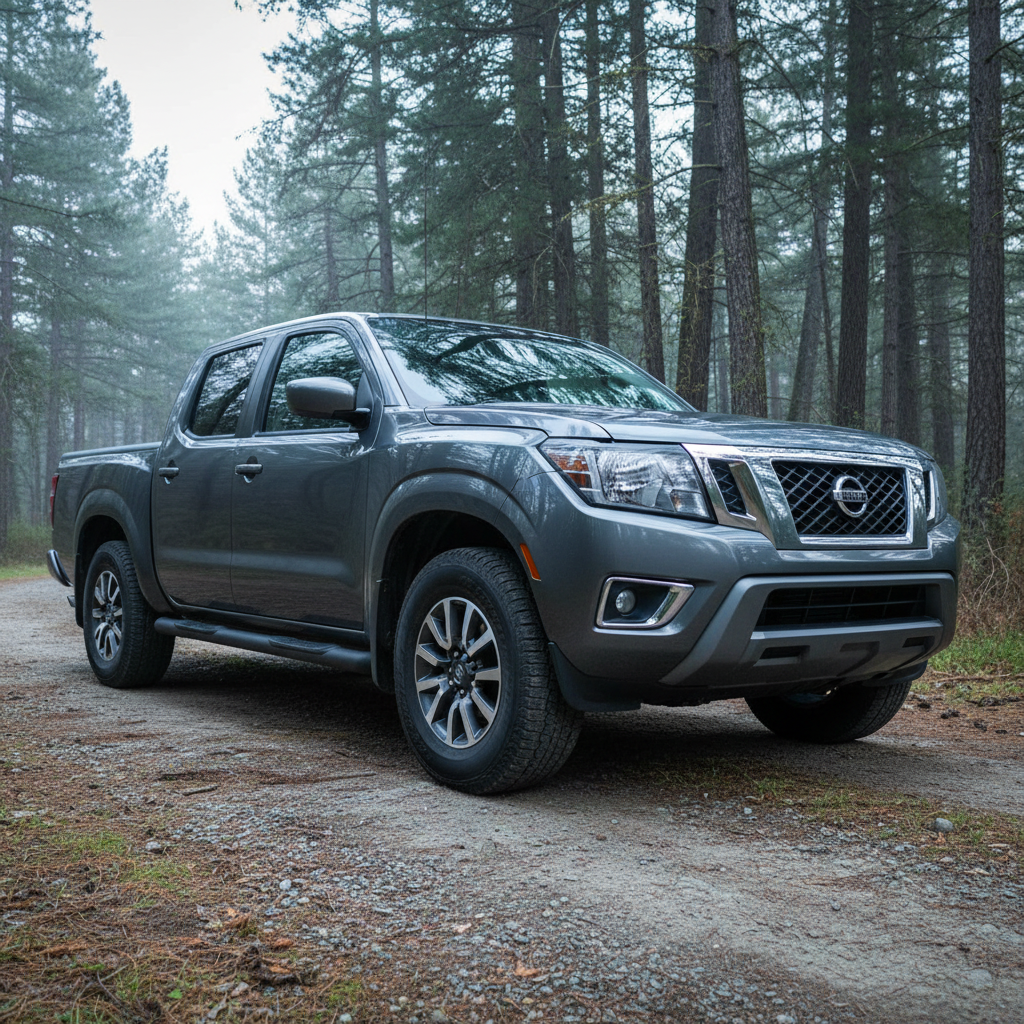
Overview of TAC Side Steps Running Boards for Nissan Frontier Crew Cab
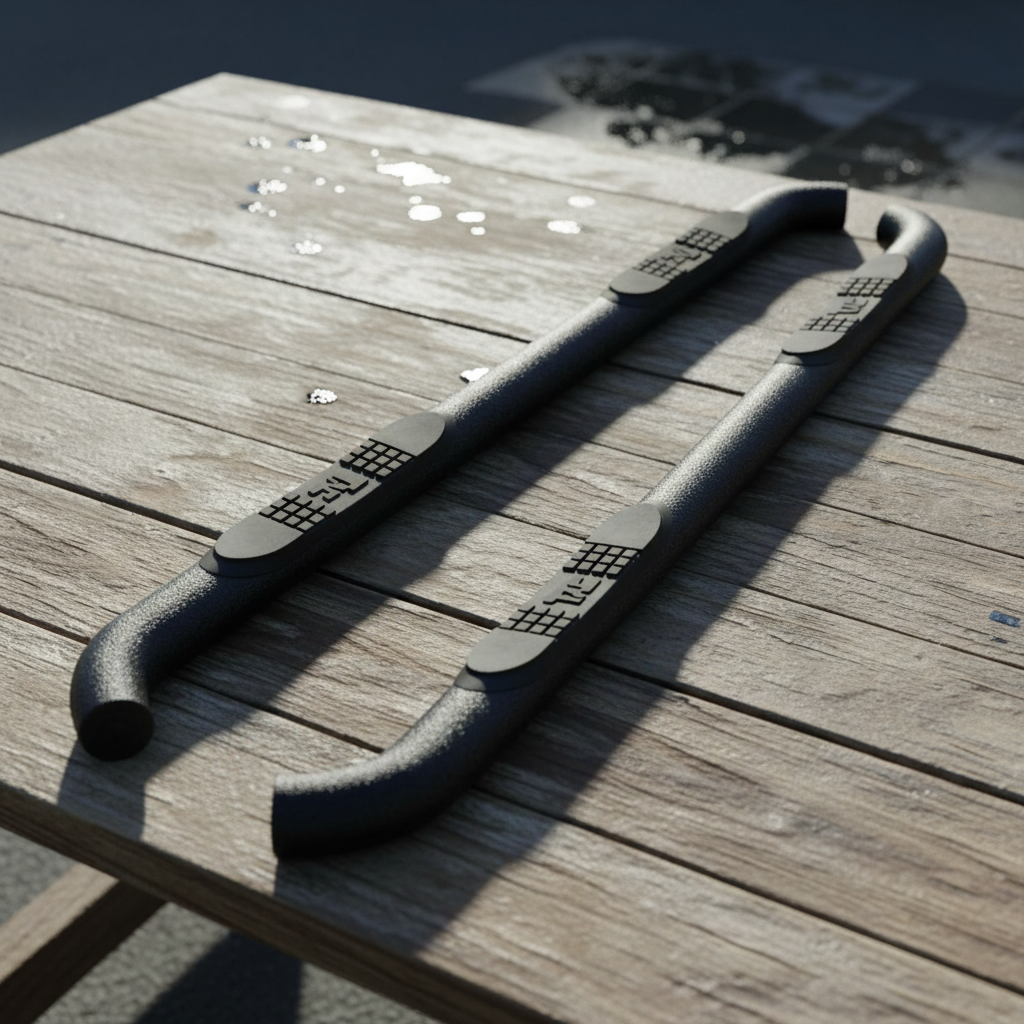
TAC Side Steps Running Boards for Nissan Frontier Crew Cab is a 2-piece set of 3-inch textured black side bars designed to add a stable step along the rocker area for easier entry and exit. It fits 2005–2024 Nissan Frontier Crew Cab and also 2005–2012 Suzuki Equator Crew Cab applications, focusing on everyday footing and practical truck access.
Key characteristics of TAC Side Steps Running Boards for Nissan Frontier Crew Cab
- Fits 2005–2024 Nissan Frontier Crew Cab crew configurations
- Also listed for 2005–2012 Suzuki Equator Crew Cab
- 3-inch step surface with textured black finish for traction
- Two-piece set designed to cover both driver and passenger sides
- Side-bar format supports repeat entry in work or family use
Overview of TAC Side Steps Running Boards for Nissan Frontier Crew Cab
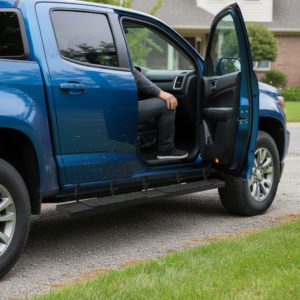
TAC running boards for Nissan Frontier Crew Cab are meant to solve a simple problem: climbing into a mid-size pickup shouldn’t require a big step up. A running board creates a lower, more predictable stepping point. That helps shorter drivers, kids, and anyone loading the cab frequently.
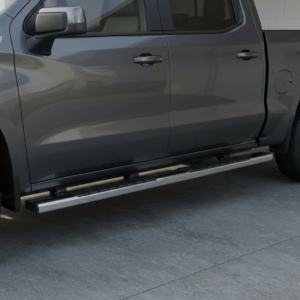
The 3 inch textured black side bars for Nissan Frontier Crew Cab also act as a visual guide along the lower body line. On a daily driver, that matters in tight parking lots. It’s easier to judge where the truck ends when a side bar sits proud of the rocker area.
Fitment is the make-or-break detail. This set is listed as running boards for 2005-2024 Nissan Frontier Crew Cab, and it’s also specified as side steps for 2005-2012 Suzuki Equator Crew Cab. That overlap makes sense because the Equator shares its platform with the Frontier. Still, cab style matters. It’s intended for Crew Cab use, not other cab configurations.
Benefits of TAC running boards
TAC side steps for Nissan Frontier Crew Cab change how you enter the vehicle. Instead of one tall climb from the ground to the floor, the movement becomes a two-step motion. It feels more controlled. And it reduces the chance of slipping off the factory door sill when shoes are wet or muddy.
Traction is the second benefit. The step surface is described as textured black, and texture is doing real work here. It increases friction underfoot, so the shoe sole bites instead of skating. That’s useful in rain, snow, or after a trail day.
Day-to-day practicality is the third. Running boards can make it easier to secure a child into a car seat, reach into the cab for tools, or access roof-mounted gear. Even washing the windshield gets simpler because you can step up and reach farther without leaning on the paint.
There’s a side effect worth noting. A bar along the lower body can take minor contact from road debris. It won’t prevent every chip. But it can intercept small stones that would otherwise strike the rocker panel directly.
Materials and finish details for TAC running boards
These TAC running boards are described as “3” texture black side bars,” so the key construction cues available are the 3-inch step width and the textured black finish. That finish choice is practical. Dark textured coatings tend to hide scuffs and dust better than gloss surfaces.
Texture also changes maintenance. Smooth painted bars show every shoe mark. Textured surfaces usually mask that, so they look cleaner between washes. A quick rinse often restores the appearance, especially after salted winter roads.
Expect the feel underfoot to be slightly grippy rather than slick. That’s the point. But grippy finishes can hold onto fine dirt. It’s normal. A soft brush and mild car-wash soap usually clears the texture without needing harsh chemicals.
Because the product listing doesn’t provide metal type or corrosion standards, it’s smart to treat the finish as the primary protective layer. Keeping the bars clean, and touching up any deep chips if they appear, helps slow down surface corrosion over time.
How to use this running boards
Before installation, confirm the truck is a Crew Cab and matches the listed years. For Frontier, that’s 2005–2024. For Equator, that’s 2005–2012. Don’t skip this step. A similar-looking cab can still have different mounting locations.
Lay out both bars and identify left versus right. Most sets are side-specific. A quick visual check helps: the step surface should face outward, and the profile should follow the rocker line without forcing it into place.
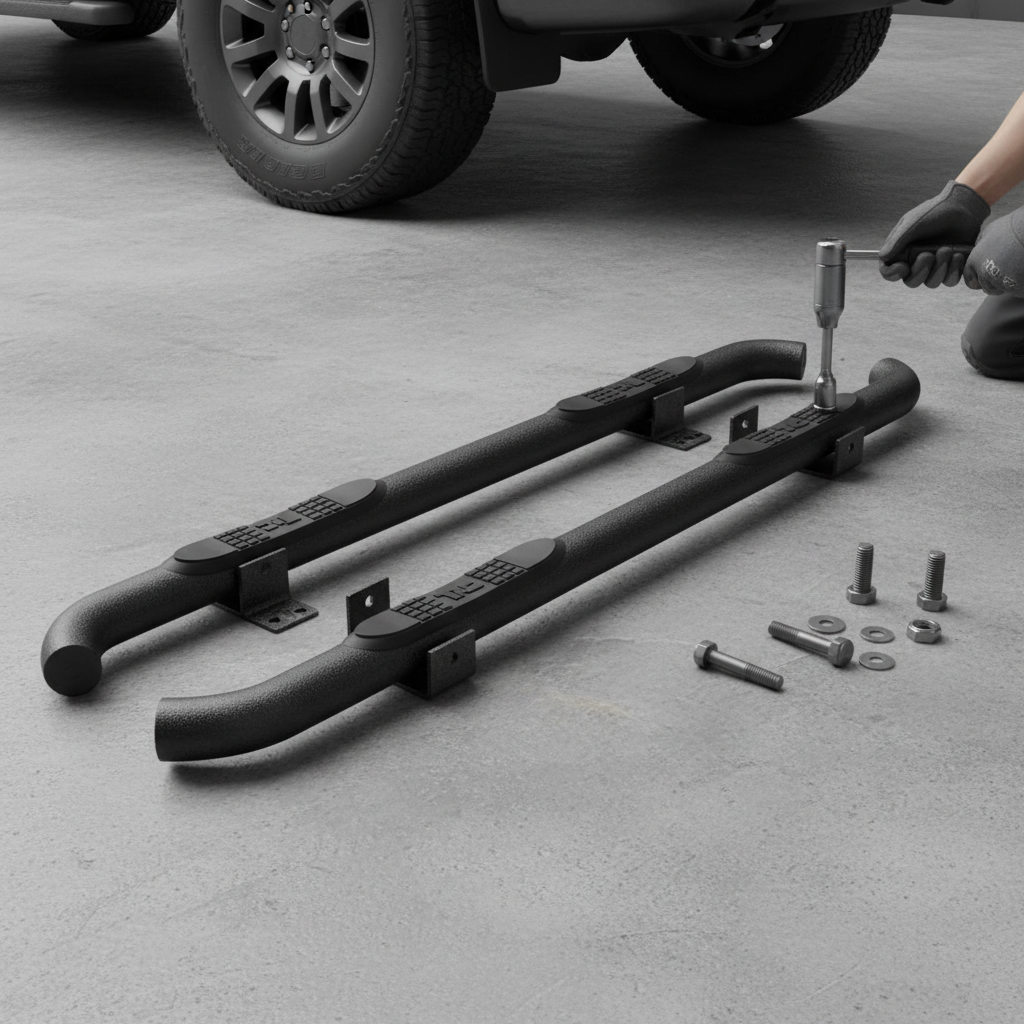
During installation, support the bar so it doesn’t swing into the door or paint. Tighten hardware evenly from bracket to bracket. That keeps the bar aligned and reduces stress at any single mounting point.
After mounting, do a basic safety check. Step on several points along the 3-inch surface, not just the center. Look for movement, squeaks, or shifting. Recheck fasteners after a short driving period, since vibrations can settle brackets into their final position.
Technical specifications of TAC Side Steps Running Boards for Nissan Frontier Crew Cab
| Feature |
Details |
| Brand |
TAC |
| Product format |
Running boards |
| Fitment (vehicle) |
Nissan Frontier Crew Cab |
| Fitment years (Frontier) |
2005–2024 |
| Fitment (vehicle) |
Suzuki Equator Crew Cab |
| Fitment years (Equator) |
2005–2012 |
| Step width |
3 inch |
| Finish |
Textured black |
| Pieces in set |
2 pcs |
Those specs describe the core identity: a 2-piece, 3-inch textured black side-bar set for Crew Cab fitment. For buyers, the most important checks are still physical. Confirm door clearance, confirm the bar sits level, and confirm the step surface is comfortable at your typical entry angle.
If the truck is used in heavy rain or winter salt, routine rinsing matters. It keeps the textured surface from loading up with grit. It also helps preserve the black finish so it doesn’t turn dull prematurely.
For long-term use, periodic fastener checks are part of ownership. Running boards live in a high-vibration, high-splash zone. A quick inspection during oil changes is usually enough.
Frequently asked questions about TAC Side Steps Running Boards for Nissan Frontier Crew Cab
Does TAC Side Steps Running Boards for Nissan Frontier Crew Cab fit my Nissan Frontier Crew Cab or a Suzuki Equator Crew Cab?
This set of side steps is intended for Crew Cab bodies. The product information lists compatibility with Nissan Frontier Crew Cab (2005–2024) and Suzuki Equator Crew Cab (2005–2012). Before installing, confirm two things on the vehicle: that it’s truly a Crew Cab (not a King Cab or other cab) and that the chassis mounting points are present and free of damage or corrosion. If the vehicle previously had side steps, checking threads and brackets helps avoid issues during installation.
How do you install TAC Side Steps Running Boards for Nissan Frontier Crew Cab correctly?
Installation is typically based on brackets that attach to the chassis and then support the side bars. Start by positioning the brackets at the mounting points to confirm alignment, then tighten bolts gradually, alternating sides so the system doesn’t bind. After that, place the bar and adjust its position so the step area sits centred and parallel to the body. After the first drive, recheck bolt tightness. That helps keep the set stable and reduces squeaks.
What does the 3-inch textured black step surface do in daily use?
The stated 3-inch width translates to a more compact stepping area than a full-width platform-style running board. In day-to-day use, you’ll notice it when getting in and out: your foot finds a defined step point, and the textured black finish helps improve grip when there’s water or mud. In colder weather it can help as well, since texture tends to shed surface moisture better than a smooth finish. Real traction still depends on footwear and keeping the step clean.
How often should you check or retighten TAC running boards after installation?
A sensible routine is to check fasteners after the first 100–200 km of driving, since brackets can settle during that period. After that, a periodic check at each oil change or every 3–6 months is usually enough, especially if the truck sees rough roads. If you hear a knock when stepping on the bar or notice the board has shifted, check it sooner. This simple habit helps extend service life and keeps the step stable.
How do you clean and maintain TAC side steps so they don’t lose grip?
To maintain grip on the textured surface, regular cleaning with water and mild soap works well, using a medium-bristle brush to reach into the texture. In areas with road salt or coastal exposure, rinse more often to reduce buildup that can accelerate wear on brackets and hardware. After washing, drying or letting the boards drain helps reduce spotting and deposits. Avoid harsh degreasers so the black finish stays even. A quick visual check of brackets and bolts should go along with cleaning.
What signs show the running boards are misaligned or loose?
Common signs include a click or creak when stepping up, visible vibration when weight is applied, and uneven gaps to the body (for example, closer at the front than the rear). You might also notice door interference or that your foot doesn’t land centred on the step. If any of these show up, check fastener tightness and bracket positioning. Fixing it early reduces wear at the mounting points and improves safety.
Can the side steps be used in mud, rain, or snow?
Yes, wet-weather use is normal for this type of side step. The textured finish is meant to provide more friction than a smooth surface, but it won’t eliminate slip risk if there’s solid ice or a thick layer of mud. In snow, clear buildup before stepping and watch for ice forming in the texture. In mud, a quick rinse reduces the slick film. With those precautions, the step stays predictable.
User experience with TAC Side Steps Running Boards for Nissan Frontier Crew Cab
Aggregated feedback around TAC Side Steps Running Boards for Nissan Frontier Crew Cab clusters around one theme: they make daily entry and exit feel easier without turning the truck into a constant maintenance project. Drivers mention the step height feels natural for a Crew Cab, and the platform gives a more confident foothold in wet weather and light mud. The finish also gets attention for looking tidy after installation, especially on darker paint colours. Mentions of B07L4GXTY9 tend to sit in fitment-focused threads, where owners use it as a reference point when checking model-year compatibility and cab configuration before ordering.
Main strengths reported for TAC Side Steps Running Boards for Nissan Frontier Crew Cab
- More stable entry and exit in daily use, with a step surface that feels predictable underfoot.
- Installation experience often described as straightforward when the vehicle’s mounting points are clean and accessible.
- Visual integration with the truck’s side profile, giving a finished look that many owners prefer over bare rocker panels.
Perceived strengths
- Traction is a recurring positive. The textured surface is commonly credited with reducing slips when shoes are wet, dusty, or muddy.
- Practical protection comes up often. Users like having running boards that take the first hit from kicked-up gravel and parking-lot door dings near the lower body line.
- Day-to-day usability for families. Passengers who aren’t used to climbing into a pickup (kids, shorter adults, and older riders) tend to use the step every time.
Usage nuances to consider
- Fitment discussions repeat the same advice: confirm “Crew Cab” and the exact model year before installing. Owners of the 2005–2012 Suzuki Equator Crew Cab also flag that alignment checks matter before tightening hardware.
- Winter and salted-road regions add upkeep. Users recommend rinsing the running boards regularly and checking brackets after harsh seasons to keep hardware from seizing and to maintain a clean appearance.
Who tends to benefit most from TAC Side Steps Running Boards for Nissan Frontier Crew Cab?
These TAC running boards tend to suit drivers who use their Frontier as a daily vehicle and want a consistent step for repeated in-and-out cycles. Commuters who park in tight lots often appreciate the extra buffer along the lower side of the truck. Households with frequent passengers benefit too, since the step reduces the “hop” into the cabin. People who run work boots, carry gear, or load kids into the back seat usually describe the boards as immediately useful. Off-road users still mention them, but the most satisfied comments come from owners who prioritise stable footing and routine practicality over maximum ground clearance.
Recurring theme in user discussions: stable footing and a cleaner, more finished side profile.