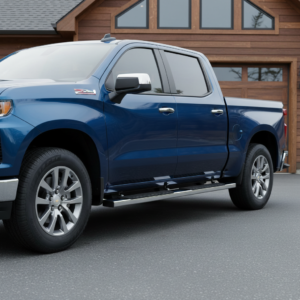
TAC Running Boards for Toyota 4Runner (2010-2024)
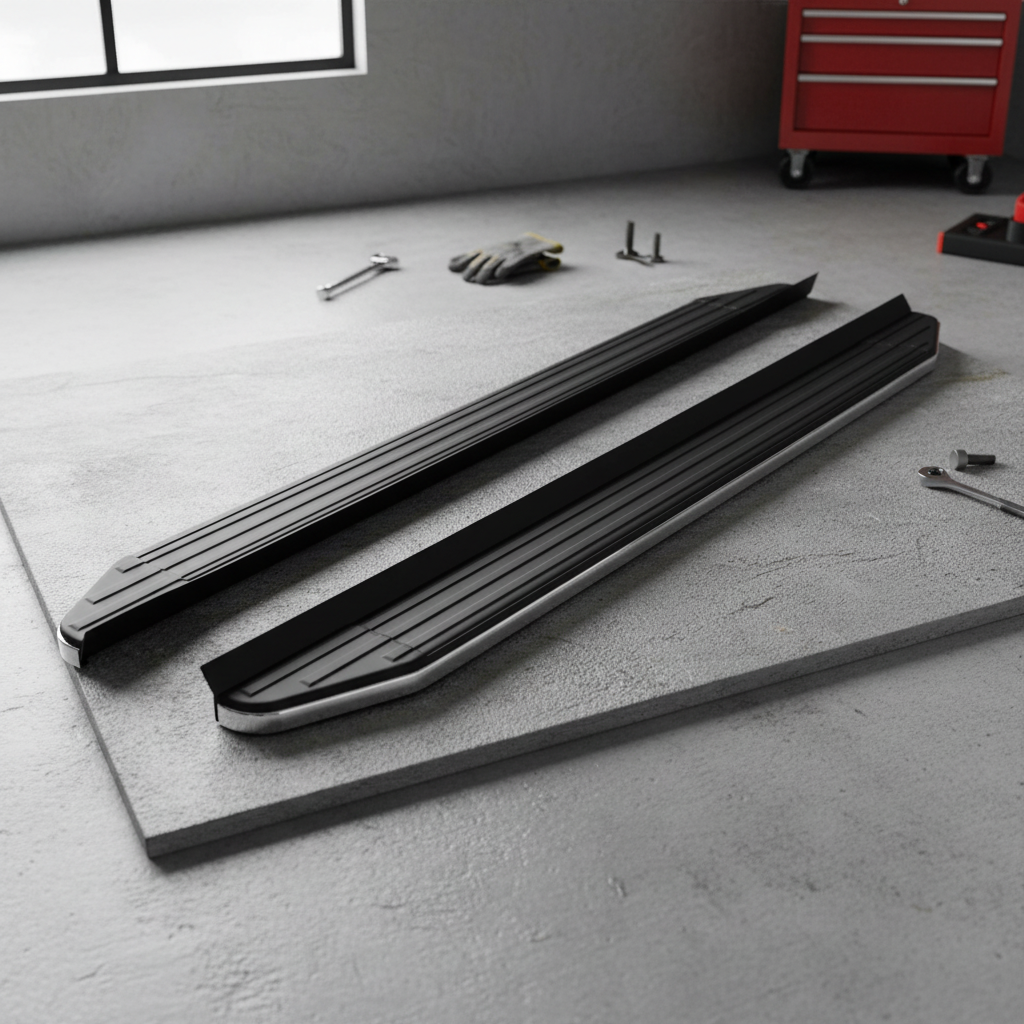
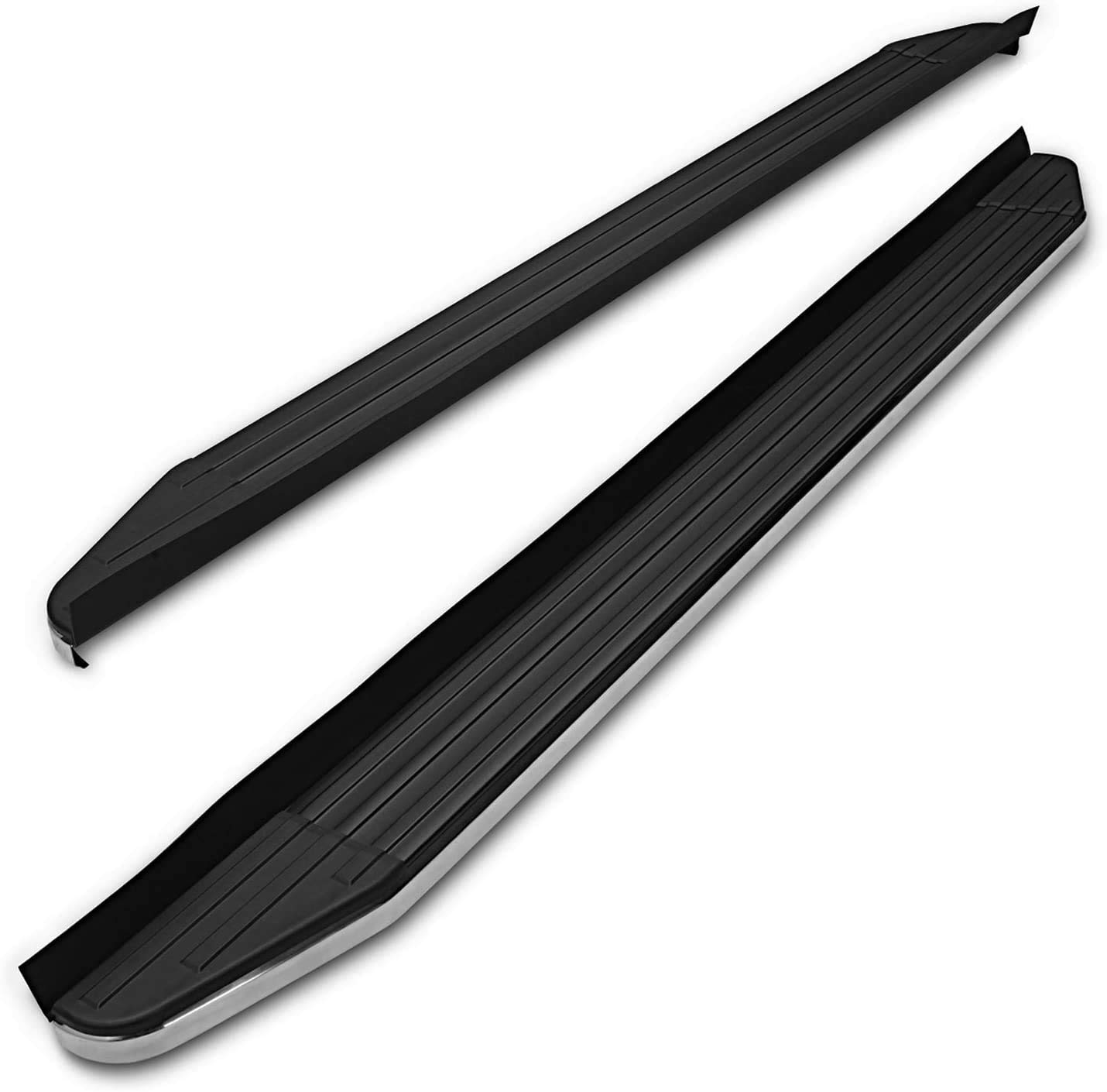
TAC Running Boards for Toyota 4Runner (2010-2024) are aluminium side steps built to make entry and exit easier on 4Runner model years 2010 through 2024, with a black finish suited to everyday road use. Fitment is the main point here. It’s designed around specific 4Runner trims listed by the manufacturer.
Key characteristics of TAC Running Boards for Toyota 4Runner (2010-2024)
- Aluminium side steps with a black finish for daily use
- Designed for Toyota 4Runner model years 2010 through 2024
- Helps reduce step-up height when entering higher ride vehicles
- Two running boards provided for left and right sides
Overview of TAC Running Boards for Toyota 4Runner (2010-2024)
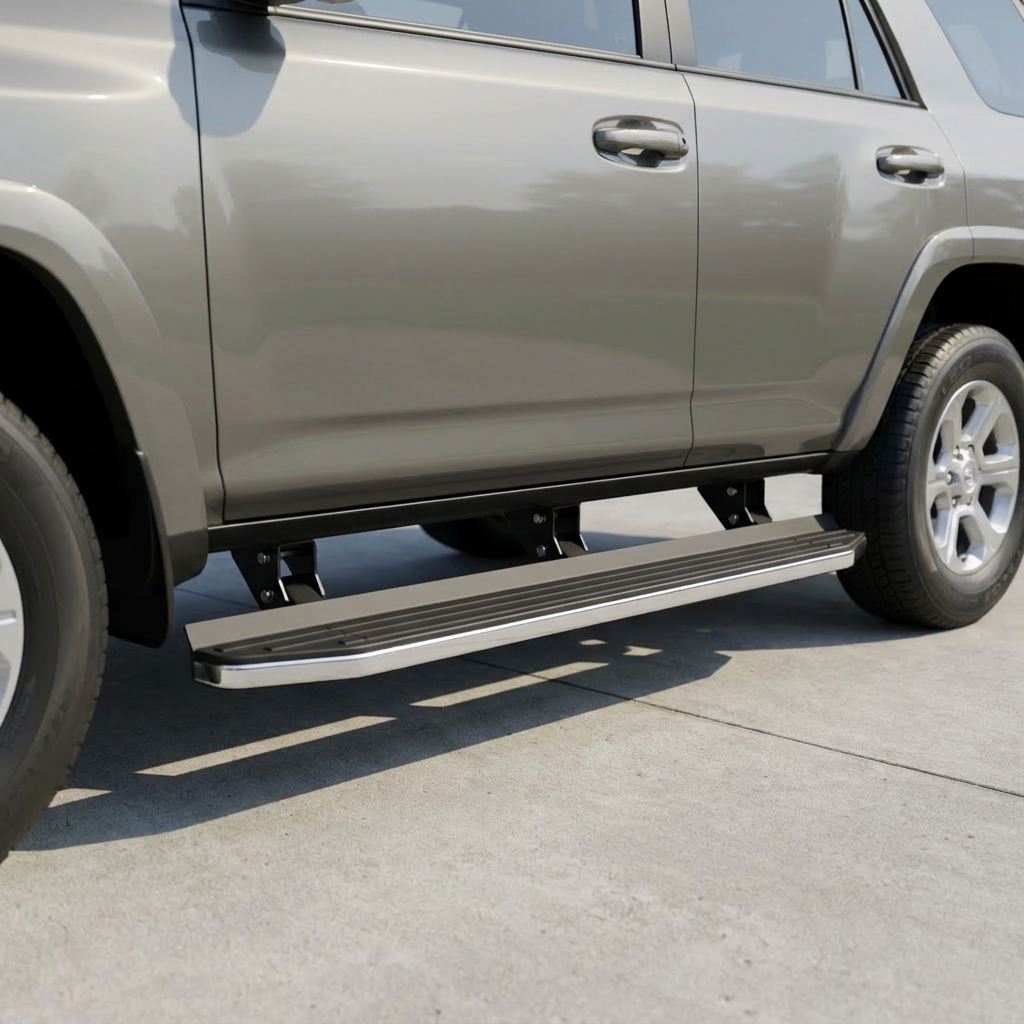
These TAC running boards for Toyota 4Runner 2010-2024 sit along the rocker area and act as a stable stepping surface. That matters most on lifted vehicles, higher factory ride heights, or when passengers have shorter reach. The basic idea is simple: a wider, lower step breaks the climb into two smaller motions. It feels more controlled.
Because they’re built as side steps, they also help keep shoes away from painted door sills during entry. That’s a practical, everyday benefit many owners notice first. The black finish is also a sensible choice for a part that sees road film and water spray. It tends to look consistent between washes.
Fitment is still the deciding detail. The product listing calls out Toyota 4Runner trims such as Limited, certain SR5 years (2010–2013), Nightshade Edition (2019–2022), and TRD Sport (2022–2024). Checking the vehicle’s exact trim and year before installation prevents alignment surprises.
Benefits of TAC running boards
TAC running boards mainly improve day-to-day access. One step can make a big difference for kids, older passengers, or anyone carrying gear. It also helps when the ground is uneven. A predictable step point is easier to use than the tyre or door frame.
There’s also a usability angle in bad weather. Running boards give a place to plant a foot when the pavement is wet or slushy. That reduces the “slide then grab” entry that happens with taller SUVs. The benefit is about control, not speed.
Another plus is routine vehicle care. With Toyota 4Runner side steps TAC aluminum black, reaching the roof rack area or cleaning the upper body panels becomes more manageable. It’s not a ladder replacement, but it shortens the reach. For many owners, that changes how often they’ll actually wash the truck.
Appearance is part of it too. Side steps visually lower the profile of the vehicle and can make the body look more planted. That’s subjective, but it’s a common reason people choose black aluminium steps instead of polished finishes.
Materials and build approach of TAC Running Boards for Toyota 4Runner (2010-2024)
These running boards are described as aluminium with a black finish. Aluminium is a common pick because it keeps weight reasonable while resisting everyday corrosion better than bare steel. That’s useful in rain, salted roads, or coastal climates. It also tends to be easier to handle during installation.
The finish matters as much as the base metal. A black coating helps hide minor scuffs and road grime that would stand out on lighter colours. It also reduces the “always dusty” look that some textured steps can develop. Cleaning usually comes down to a mild car shampoo and a soft brush, then rinsing thoroughly.
Construction details like bracket design, fastener type, or tread pattern aren’t specified in the provided product data. So it’s best to evaluate those points during installation. A quick check for even alignment side-to-side and solid contact at mounting points is worth doing before final tightening.
If the vehicle sees frequent off-road use, periodic checks help. Fasteners can loosen over time from vibration. A simple re-torque check during oil changes keeps the step feeling solid.
How to use these TAC running boards
Installation should follow the included instructions for the specific Toyota 4Runner year and trim. The goal is consistent alignment with the body line and equal height on both sides. If the vehicle has existing factory mounting points, those are typically used for this type of accessory. Only use the hardware supplied for the kit unless the instructions specify otherwise.
After fitting, step onto the board with the foot placed near the main stepping area, not on edges. That keeps the load where the structure is intended to take it. It also feels more stable. If passengers are new to side steps, a short reminder helps: step on the board first, then pivot into the seat.
In daily use, keep the step surface clean. Mud and road salt can build up. A quick rinse reduces slippery film. In winter climates, avoid aggressive metal tools for ice removal, since they can damage coatings.
For maintenance, inspect mounting points a few times per year. Look for loosening, unusual movement, or coating wear near contact areas. Catching small issues early prevents larger problems later.
Technical specifications of TAC Running Boards for Toyota 4Runner (2010-2024)
| Feature |
Details |
| Brand |
TAC |
| Product format |
Running boards |
Only specifications present in the provided product data are listed above. The listing text indicates fitment for Toyota 4Runner model years 2010–2024 and highlights specific trims (Limited, certain SR5 years, Nightshade Edition, and TRD Sport). If exact dimensions, weight capacity, or included hardware counts are needed, they should be confirmed from the box contents or the manufacturer’s documentation for this kit.
For owners who document installs, it helps to record the vehicle year, trim, and any factory options that affect mounting. That makes future servicing easier. It also helps if the vehicle is sold later and the next owner needs clarity on what’s installed.
When the goal is consistent everyday access, 4Runner running boards 2010-2024 TAC focus on function first: a stable step, predictable placement, and a finish that stays presentable with normal washing. That’s the practical value of this accessory.
Frequently asked questions about TAC Running Boards for Toyota 4Runner (2010-2024)
TAC Running Boards for Toyota 4Runner (2010-2024) are side steps designed to make cabin access easier and provide a stable foothold when getting in and out. Before fitting, it’s worth checking compatibility with your Toyota 4Runner’s model year and trim and gathering basic tools. Careful installation also helps avoid noise, looseness, and contact with bodywork.
How do you install TAC Running Boards for Toyota 4Runner (2010-2024) correctly?
Installation is usually done using the chassis mounting points intended for side steps, without modifying the bodywork if the vehicle matches the listed years. Start by positioning each bracket, threading bolts by hand, and centring the assembly so the step sits parallel to the vehicle’s body line. Then tighten progressively, alternating fasteners. At the end, check that the doors open without interference and that there’s no contact with plastics or sills. A re-torque after the first few miles is good practice.
How often should you check or re-torque TAC running boards?
Running boards aren’t a consumable, but they do benefit from periodic checks. On a 4Runner that sees potholes, dirt roads, or winter road salt, checking fastener tightness and bracket condition more often makes sense. It’s also smart to inspect after any impact with a rock, kerb, or off-road obstacle. Typical signs include creaking when stepping, vibration, or a step that looks out of alignment. Keeping the fixings in good condition reduces noise and premature wear.
Are Toyota 4Runner side steps from TAC suitable for daily use with kids or older passengers?
Yes. The main purpose of these side steps is to reduce the effective first step height when getting in and out of a Toyota 4Runner. For people with limited mobility, a stable step helps spread effort between foot placement and using a handhold. Safety still depends on habits: place the whole foot on the step, take extra care with wet footwear, and keep the surface clean. For daily use, clearing mud and grit helps prevent the step from becoming slippery.
What maintenance helps prevent corrosion and loss of grip on TAC running boards?
For normal use, washing with water and a mild car shampoo is usually enough, especially after rain, mud, or snow. In areas that use road salt, rinsing the underside of the vehicle more often helps, including brackets and fasteners where residue builds up. To maintain grip, remove sand and small stones that can act as an abrasive. If you spot rust on bolts or brackets, targeted cleaning and replacing damaged hardware helps keep the assembly rigid and reduces the chance of looseness.
Do 4Runner running boards 2010-2024 TAC change ground clearance or affect off-road use?
They can in practice, but the exact effect depends on how the boards sit relative to the vehicle’s side. Off-road, the main risk is contact with rocks, ruts, or banks rather than centre-of-chassis clearance. Check the side approach angle and avoid putting the vehicle’s weight onto the step on obstacles. If you go off-road often, inspecting after each trip helps catch bracket impacts, loose fasteners, or deformation early.
What’s typically included with running boards for Toyota 4Runner from TAC, and what tools do you need?
Most kits include the two running boards (left and right) plus the fasteners or brackets needed to mount them, though exact contents can vary by batch. Common tools are usually enough: spanners or sockets, a ratchet, and a torque wrench for controlled tightening. Having a second person or a support to hold the board while starting bolts can also help. Before you begin, identify each bracket and do a dry fit to confirm alignment.
How can you confirm fitment for your Toyota 4Runner before tightening everything down?
The most reliable check is to match three details: your vehicle’s model year, trim (for example, SR5, Limited, TRD), and the product’s stated compatibility. If your 4Runner has modifications (body lift, aftermarket side protection, or non-standard wheel arch parts), check for potential interference before final tightening. A visual check of mounting points and clearances helps avoid having to remove and refit the boards later.
User experience with TAC Running Boards for Toyota 4Runner (2010-2024)
Across repeated owner feedback, TAC Running Boards for Toyota 4Runner (2010-2024) are most often described as a solid, practical upgrade for daily entry and exit on a 4Runner. Discussions tend to focus on the day-to-day feel first: a steadier step for kids and shorter passengers, less awkward climbing when the vehicle sits higher, and a more confident foothold when shoes are wet or muddy. Installation experiences come up a lot too. People generally see it as a straightforward bolt-on style job when the mounting points line up as expected, though patience is still needed for alignment and final tightening. Overall sentiment stays positive, with most commentary centring on usability rather than looks.
After the initial install, the recurring theme is simple: the running boards get used constantly. Owners who commute, do school runs, or load roof boxes and cargo report that the steps quickly become part of the routine. The boards are also often mentioned as a small but noticeable comfort improvement for passengers who previously had to hop down. Small setup details and expectations around stance and clearance are where opinions vary.
Main strengths reported for TAC Running Boards for Toyota 4Runner (2010-2024)
- More confident entry and exit, especially for shorter passengers and families using the rear seats often.
- Traction feels predictable in wet weather, with many users pointing to the step surface as a practical everyday benefit.
- Bolted fitment is commonly described as stable once aligned and fully tightened, with less flex than people expect from photos.
Perceived strengths
- Useful working height for loading: owners mention easier access when placing items on roof racks or reaching into cargo on the side.
- Day-to-day durability impression is strong, with repeated notes that the boards keep their function after regular commuting, dirt roads, and seasonal weather.
- Appearance tends to match the 4Runner’s silhouette well; many users like that the boards don’t look oversized once installed.
How TAC running boards tend to feel after installation
Feedback usually separates first impressions from long-term routine. Right after installation, owners pay attention to how far the step sits out from the body and whether it changes the way the vehicle looks from the side. That matters. After a week or two, comments shift to function: whether the step is easy to hit naturally without looking down, and whether passengers can step down without twisting a knee. Many discussions also mention that the boards help keep trousers and skirts cleaner in wet conditions because entry becomes more controlled. The traction pattern is a frequent talking point in rainy climates.
Some owners also bring up noise and vibration checks after the first drives. A quick re-torque after settling is a common habit in this category. It’s treated as normal maintenance rather than a fault.
Usage nuances to consider
- Fitment expectations can vary by Toyota 4Runner year and trim. Users often recommend double-checking the mounting points before starting and loosely assembling first to allow alignment.
- Step position and ground clearance feel different depending on suspension height and tyre size. Owners who off-road more often tend to pay closer attention to approach angles and how the boards sit relative to rocks or ruts.
What users tend to adjust during install for better results
Repeated advice focuses on process, not special tools. People commonly suggest keeping all hardware finger-tight until everything is hung and aligned. That reduces frustration. Aligning both sides to look symmetrical gets mentioned a lot, since even small differences are noticeable when viewed from the rear quarter. Owners also often discuss checking door clearance and making sure the boards sit straight along the rocker area. A careful final tighten is treated as the step that decides whether the setup feels rock-solid.
Some discussions also mention planning extra time if rust or debris is present around mounting locations, especially on vehicles that see winter road salt. A quick clean-up before bolting on tends to make the job smoother.
Who tends to benefit most from TAC Running Boards for Toyota 4Runner (2010-2024)?
These running boards are most valued by drivers who use their 4Runner as a daily family vehicle and want a consistent step for passengers. Kids, older family members, and anyone with limited knee or hip mobility tend to benefit from the reduced step height. Owners who frequently load gear from the side, like camping bins, fishing equipment, or work tools, also report practical gains because the step becomes a stable platform. For drivers who prioritise off-road clearance above all else, feedback suggests spending time thinking about where the boards sit and how often the vehicle meets rocks or deep ruts. For mixed use, including light trails, the Toyota 4Runner side steps TAC aluminum black style is generally viewed as a sensible balance between access and day-to-day robustness.
Aggregated perception in user comments: steady footing, easy daily use, and a cleaner entry experience once installed and aligned.