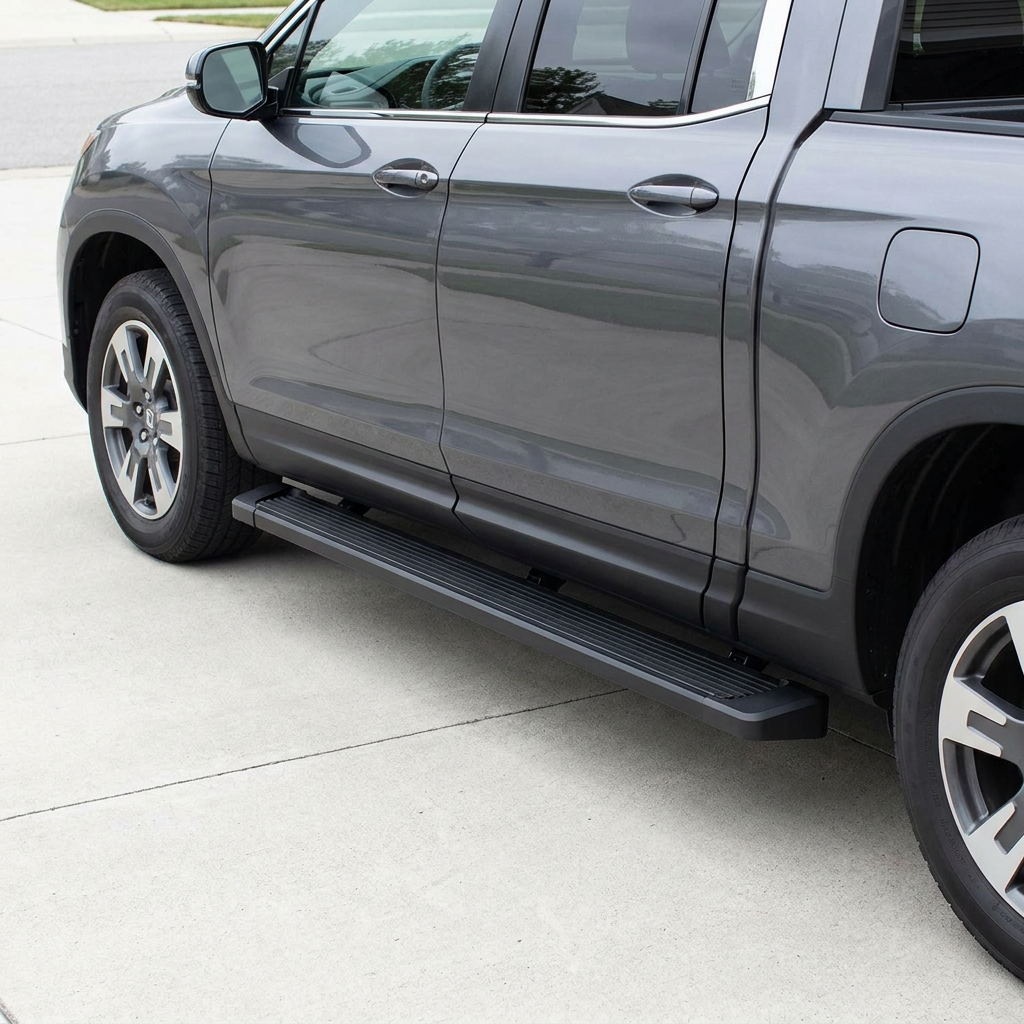
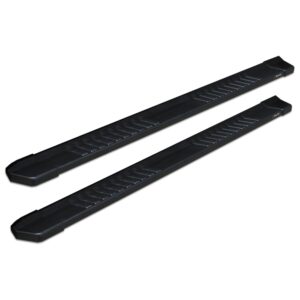
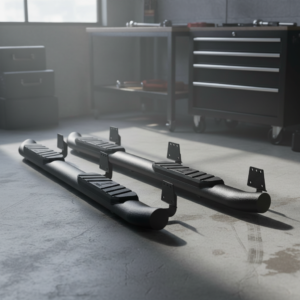
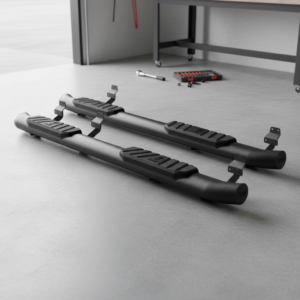
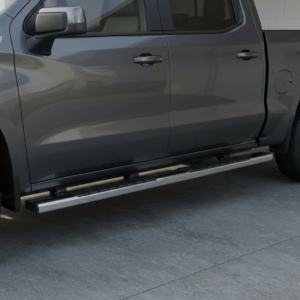
Overview of 6.5-inch running boards for Honda Ridgeline (2017-2026)
6.5-inch running boards for Honda Ridgeline (2017-2026) are designed to add a stable stepping surface along the cab, helping drivers and passengers climb in and out of a Honda Ridgeline more comfortably. The platform width is 6.5 inches, a practical size for daily use on a 2017–2026 Ridgeline where ride height and door opening angle can make entry awkward in tight parking spots. They also help keep the rocker area away from direct shoe contact.
Key characteristics of 6.5-inch running boards for Honda Ridgeline (2017-2026)
- 6.5-inch wide stepping surface for steadier foot placement
- Compatible fitment stated for Honda Ridgeline model years 2017–2026
- Carbon steel step bars with black exterior finish
- Side-mounted boards support regular entry, exit, and roof access
These Honda Ridgeline running boards 2017-2026 sit below the doors and act as a consistent step point, so users don’t have to reach for the floorboard each time. That matters most for kids, shorter passengers, and anyone stepping in while carrying bags. The wider tread also helps when shoes are wet.
Running boards (side step bars) change how the truck is used day to day. Getting into the cab feels more controlled, and accessing a roof rack or cleaning the windshield becomes easier. It’s a simple accessory, but it affects every trip.
Fitment is stated for Honda Ridgeline from 2017 through 2026. That model-year span is the key compatibility detail to verify against the vehicle’s cab configuration and any factory accessories around the pinch weld or rocker area. A quick check before installation avoids bracket alignment issues later.
Benefits of Unknown Running boards (side step bars)
Ridgeline side step bars 2017-2026 mainly reduce the “step up” effort by giving a mid-height platform. For frequent in-and-out driving, that reduces strain on knees and hips. It also makes entry more predictable for passengers who don’t drive the vehicle every day.
They also help with routine tasks. Loading a child into a car seat, reaching into a bed-mounted toolbox, or wiping the top edge of the doors becomes easier with a stable foothold. Small jobs add up.
Another practical benefit is keeping clothing cleaner. With a step in place, users tend to avoid brushing against the lower door and rocker area. On rainy days, that can mean fewer pant-leg scuffs. The boards also take the brunt of shoe contact instead of painted surfaces.
Materials and finish of Unknown Running boards (side step bars)
In this category, materials and finish matter more than anything else. These carbon steel step bars Honda Ridgeline use carbon steel for the main structure. Carbon steel is chosen for rigidity and impact resistance, so the step doesn’t feel springy underfoot. That solid feel is easy to notice during daily use.
The exterior is described as black. Black finishes on running boards are typically selected to visually blend with factory trim and to reduce the look of road grime between washes. The finish also acts as a barrier layer against moisture and salt. That’s important in snow-belt regions.
Expect maintenance to be simple but consistent. Rinse off winter salt, especially around mounting areas. And check hardware periodically. A quick re-torque after the first few weeks of driving is common practice for bolt-on accessories, since vibration can settle fasteners.
How to use this Running boards (side step bars)
Use is straightforward. Step onto the board with the center of the foot, then transfer weight into the cabin. Avoid stepping on the outer edge when wearing slick-soled shoes. Simple habits help stability.
For families, set a consistent routine for passengers. Step up, then sit. That reduces twisting while half-supported. It also prevents accidental kicks to the door sill.
For work use, treat the board as a utility step, not a ladder rung. It’s useful for reaching a roof rack, tying down cargo, or cleaning glass, but it’s still a side-mounted platform exposed to weather. Wipe off mud and ice before using it as a step. Traction drops fast when packed snow freezes.
During installation and early ownership, pay attention to alignment and clearance. Open and close doors fully and check for any interference. If the Ridgeline has mud flaps or other add-ons near the rocker area, confirm the running boards don’t press against them. That prevents squeaks and finish wear over time.
Technical specifications of 6.5-inch running boards for Honda Ridgeline (2017-2026)
| Feature |
Details |
| Brand |
Unknown |
| Format |
Running boards (side step bars) |
| Vehicle category |
Honda |
| Stated compatibility |
Honda Ridgeline (2017–2026) |
| Step width |
6.5 inch |
| Material |
Carbon steel |
| Colour/finish |
Black |
That 6.5-inch tread width is a meaningful spec. It’s wide enough to place a full shoe securely, yet it still tucks close to the body line, so it doesn’t feel like an oversized side platform. For daily driving, that balance tends to matter more than styling details.
When checking fit, focus on model year first (2017–2026), then confirm the truck’s trim and any factory accessories along the rocker area. Small differences in add-ons can affect bracket placement. A careful dry-fit before final tightening helps.
For owners who drive in rain, snow, or dusty job sites, the black running boards Honda Ridgeline 2017-2026 should be treated like any exposed exterior hardware. Regular rinsing and occasional inspection around mounting points keeps the setup quiet and secure. It’s basic upkeep. It pays off.
Frequently asked questions about 6.5-inch running boards for Honda Ridgeline (2017-2026)
6.5-inch running boards for Honda Ridgeline (2017-2026) are side steps designed to make cab entry easier and provide a more stable foothold when climbing in and out. With this type of accessory, model-year fitment, how the brackets attach to factory mounting points, and maintenance in mud or road salt are the factors that most affect day-to-day use.
How do you install 6.5-inch running boards for Honda Ridgeline (2017-2026) correctly?
Installation typically uses the Honda Ridgeline’s factory mounting points, with brackets that bolt to the vehicle without permanent modifications when the kit is complete. Start by loosely fitting the brackets to align holes and avoid binding. Then mount the boards and adjust their position so the step sits centred under the doors. Finish by tightening all hardware to the kit manufacturer’s recommended torque if provided. After some driving, it’s sensible to re-check tightness.
What real-world compatibility do Honda Ridgeline running boards 2017-2026 have across model years?
Compatibility depends on your Ridgeline’s model year and whether it retains the factory mounting points on the frame rails. Even within the 2017–2026 range, trim differences or hardware changes can affect fit. Confirm the kit includes brackets intended for that year span and matches your cab configuration. If your truck has skid plates or prior accessories, check for interference before final tightening.
On Unknown Running boards (side step bars), what does carbon steel add?
On running boards (side step bars), carbon steel adds structural rigidity and resistance to flex when you load weight while stepping up. You’ll notice that stiffness in daily use, especially if passengers step hard near the edge. Corrosion protection still matters most over time. Paint or coating quality and weld coverage affect how well the boards hold up in rain, snow, and road salt. Regular underbody rinsing helps reduce surface rust, and seasonal hardware checks are a good habit.
Do Ridgeline side step bars 2017-2026 need regular maintenance?
Yes, and it’s simple. Maintenance focuses on cleaning and checking fasteners. If you drive through mud, gravel, or salted roads, rinse with moderate water pressure to clear debris from the step surface and brackets. Letting the area drain and dry helps reduce buildup. Monthly checks, or checks after rough routes, help catch loose bolts or bracket impacts early. If you spot small rust areas, cleaning and touching up the coating helps prevent spread.
How much grip do black running boards Honda Ridgeline 2017-2026 provide in rain or mud?
Grip depends on the step-surface design and how well it sheds water and dirt. Many black running boards use a textured top to increase friction with wet footwear. Thick mud or packed snow can still create a slippery layer, so clear the stepping area when buildup occurs. Mounting height also plays a role. Boards that sit lower tend to collect more road spray and debris. Good alignment and regular cleaning improve day-to-day safety.
Can you adjust the position to avoid scraping kerbs or steep ramps?
On many kits, final position is set by the brackets, with a small amount of adjustment at the bolt points. During installation, centre the board under the doors and keep even spacing to avoid vibration or contact with the body. If you use steep ramps or uneven tracks, aim to keep the board from sitting unnecessarily low. Also check for interference with mud flaps, underbody protection, or jack points. A door-open check on both sides helps catch contact before final tightening.
What signs show carbon steel step bars Honda Ridgeline are misaligned or loose?
Common signs include metallic noises over bumps, visible vibration when stepping on the board, and uneven gaps between the board and the body. Another clue is a slight “give” underfoot, which often points to under-torqued bolts or a bracket seated incorrectly. Look for rub marks on paint or along the lower door edge. If any of these show up, re-tighten the hardware and confirm each bracket is seated on the intended mounting point.
User experience with 6.5-inch running boards for Honda Ridgeline (2017-2026)
Aggregated feedback around 6.5-inch running boards for Honda Ridgeline (2017-2026) tends to focus on day-to-day practicality: easier cab access, a steadier stepping surface in wet weather, and a more finished look along the rocker area. Owners of 2017–2026 Ridgeline trims often frame these as a functional add-on rather than a cosmetic upgrade. Installation experiences vary by skill level, but recurring discussions suggest most buyers judge success by three things: alignment against factory mounting points, how rigid the boards feel when stepping near the ends, and whether the hardware stays tight after the first few weeks of driving.
Most positive comments also tie back to routine use. People notice them most during repeated in-and-out errands, kid loading, and when wearing work boots. And for taller trucks in general, that “daily step” convenience matters more than expected.
Main strengths reported for 6.5-inch running boards for Honda Ridgeline (2017-2026)
- More confident entry and exit for passengers, with the wide step area viewed as helpful for shorter riders and kids.
- Stable feel underfoot when the brackets are torqued evenly and the boards sit level along the cab line.
- Visual integration with the Ridgeline’s side profile, especially when the finish matches other black exterior trim elements.
Perceived strengths
- Traction is a repeated theme. Users often mention a grippy step surface helping in rain, snow, or muddy parking lots.
- Ground clearance concerns usually settle after install. Many discussions note the boards sit close enough to avoid frequent scraping in normal suburban driving.
- Day-one satisfaction is commonly linked to packaging and completeness. When all bolts, brackets, and instructions arrive clearly sorted, the install is described as straightforward.
Usage nuances to consider
- Fit and leveling can take patience. Threads often recommend doing a loose mock-up first, then tightening only after both sides are visually aligned.
- Hardware checks matter. Re-tightening after the first drives is frequently suggested, since vibration and settling can slightly change clamp load.
Who tends to benefit most from 6.5-inch running boards for Honda Ridgeline (2017-2026)?
These Honda Ridgeline running boards 2017-2026 are most appreciated by households that share the truck with passengers of different heights. Families with children and older riders tend to report the biggest convenience jump. People who use the Ridgeline for work also mention practical benefits: stepping in with heavier footwear and keeping entry more controlled when carrying tools or bags.
Drivers who frequently park in tight urban spots usually pay more attention to how far the boards protrude. In those scenarios, careful alignment and choosing a comfortable stepping position helps avoid shin bumps. For buyers prioritising a more planted step, the 6.5 inch running boards for Honda Ridgeline are generally discussed as a sensible width, provided the surface texture matches local conditions (wet winters versus dry climates).
Recurring sentiment: once installed and level, the boards quickly become part of the daily routine.